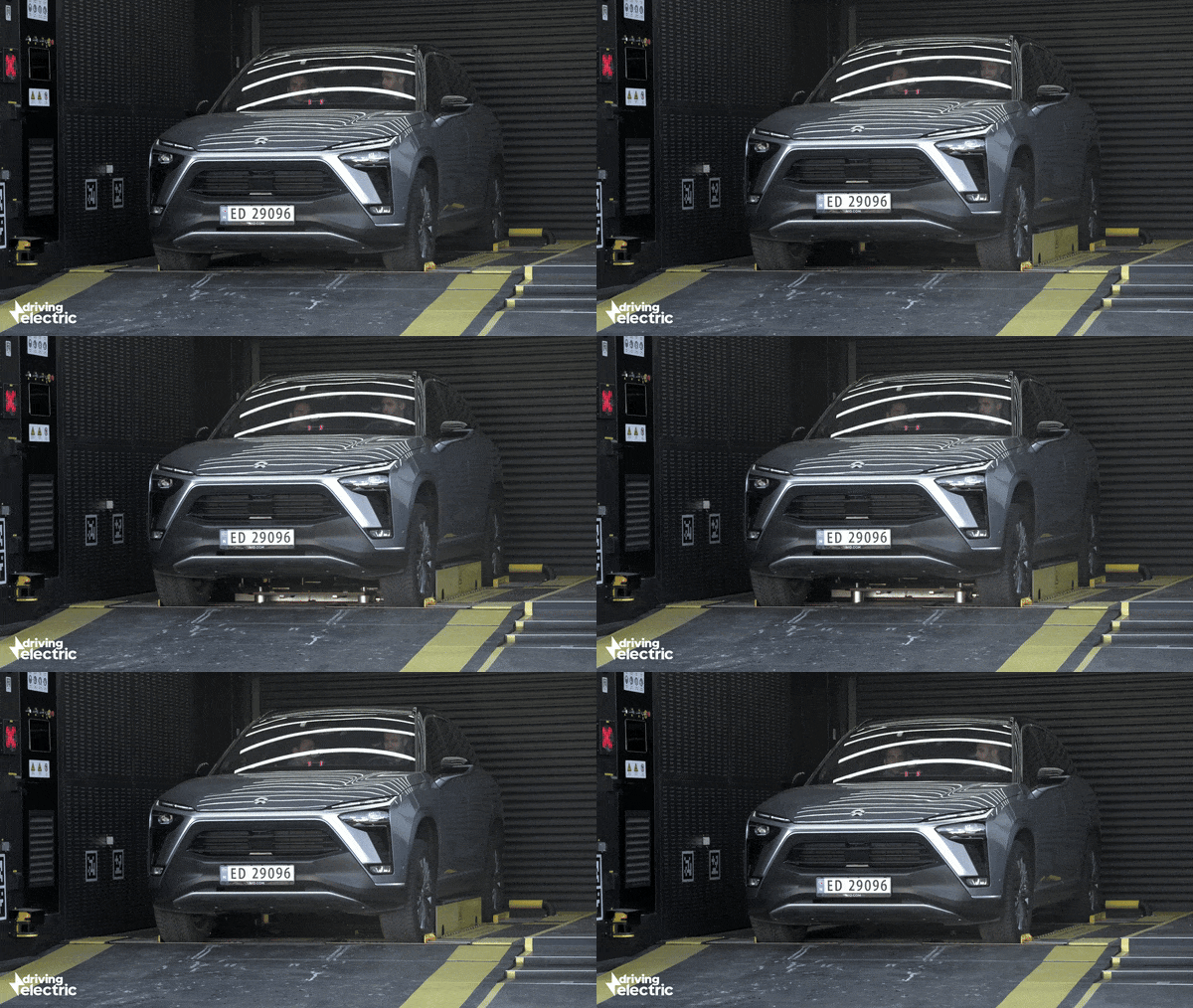
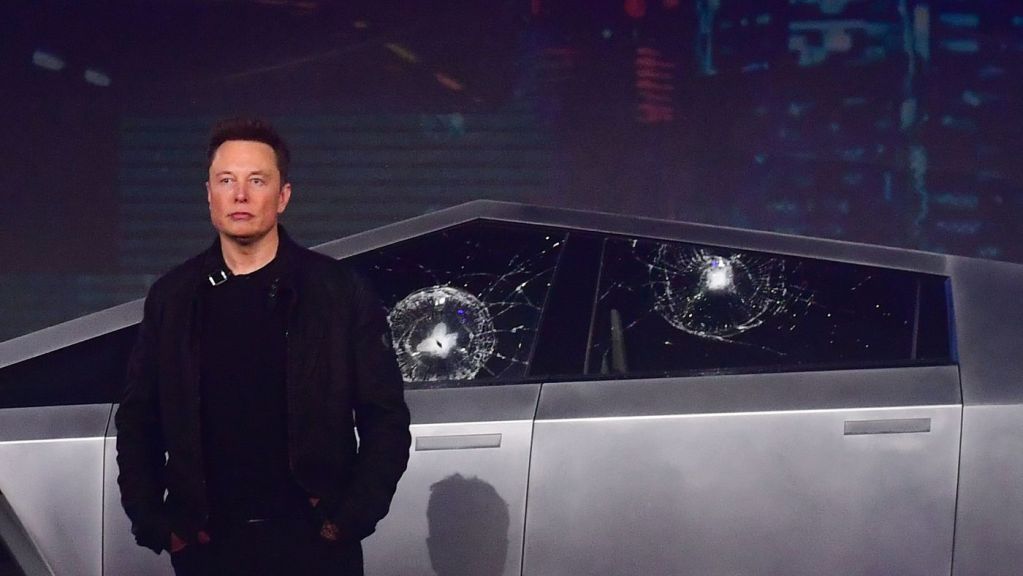
Rather than building necessary infrastructure to power its vehicles, companies like Tesla use sophisticated marketing to convince their customers to install chargers at their own expense. It’s the same exploitative technique Uber perpetrates on it’s drivers; convincing ‘independent contractor’ workers to use their own vehicles as taxicabs. The company does not have to own, maintain or insure anything. All they do is reap the profits from others’ investments. Electric vehicle charging infrastructure as it exists today is a scam.
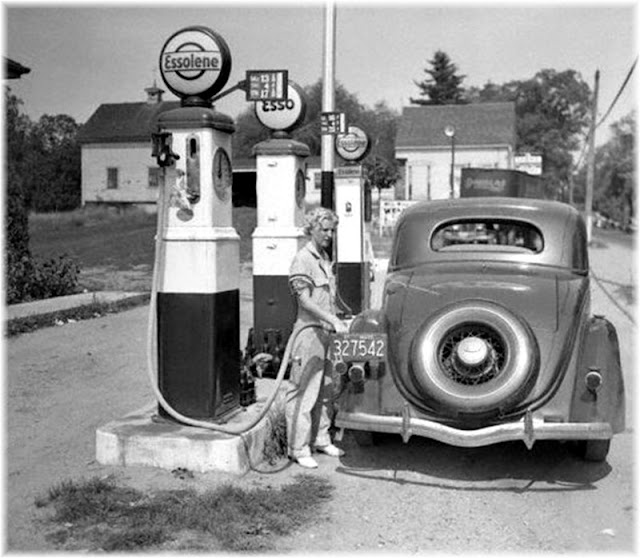
Imagine this scenario; it’s 80 years ago and the post-WWII building boom is in full swing. Houses and highways are popping up across North America and US President Dwight Eisenhower gives a speech with his vision of a new America where everyone has their own house, a family car and a gas pump installed in the driveway offering Esso brand gasoline in Regular, Extra and Supreme. He would have been laughed out of office.
Yet this is exactly the electric vehicle infrastructure scam that’s being perpetrated in North America today. And it will get worse as technology changes. Here we are in 2024, with electric cars zipping around town, despite totally inadequate infrastructure. Local governments are dumping money into chargers, afraid they’ll look ‘behind the times‘ to the voting public if they don’t embrace the ‘EV miracle’. But it is very dangerous to invest taxpayer money so heavily into equipment that could be rendered un-useable when the technology changes again.
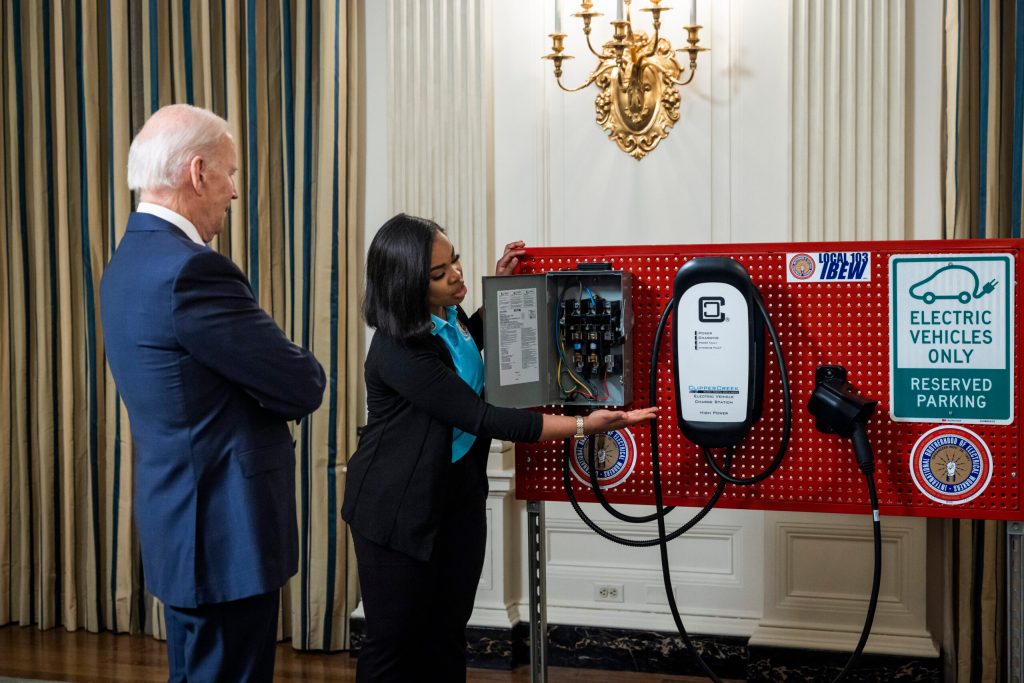
Don’t believe it’s possible that Tesla will be the vehicular equivalent of the Nokia 3110 in a couple years? Consider that the cheapest electric vehicle in Canada is the Nissan Leaf at $29,000 and it uses the CHAdeMO charging format; cutting-edge technology a decade ago. But the Leaf cannot be plugged into modern chargers using the NACS format. So, either charge your Leaf at home or scrap it. Same as those CHAdeMO format chargers your local municipality installed a couple years ago. All that money spent, and they’re obsolete already.
But there is a better solution, one that’s already being used in China by a company called NIO.
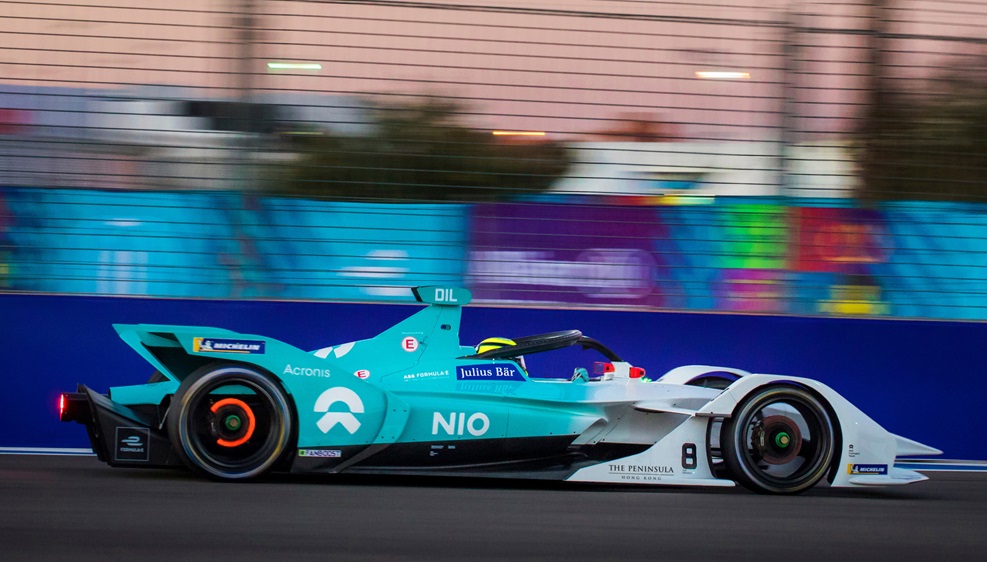
Motorsports enthusiasts will remember NIO from back in 2015 when they became the first team to win the FIA Formula E championship; the first all-electric, open-wheel racing series. Major EV manufacturers like Tesla didn’t have the guts to join, but NIO sure did.
NIO isn’t a race team, though. They’re one of many electric vehicle manufacturers in China; not even the biggest one. However, what sets NIO apart from others is their ingenious battery-swapping system. When a vehicle battery is empty, the driver simply heads to a NIO Battery Swap Station and replaces it with a waiting, fully-charged battery. What a uniquely capitalist idea! A privately-owned business builds service stations to support their products, rather than blackmailing municipalities into it. This is a completely different approach to electrifying transportation that North America has taken.
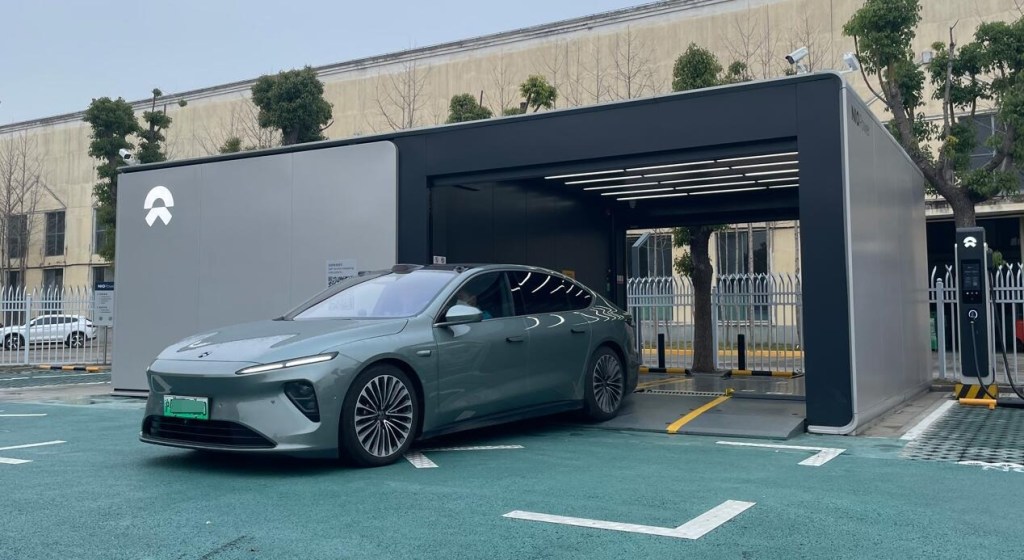
Commuters buying NIO electric cars don’t have to spend thousands more for a home charger. With a huge percentage of the urban population living in apartment buildings, that isn’t even possible! Chinese motorists simply drive to one of 2,000+ NIO stations (located along highways and in major cities) and swap their empty battery for a fully charged one in 3 minutes. The technology has been well tested. NIO recently completed it’s 30 millionth battery swap.
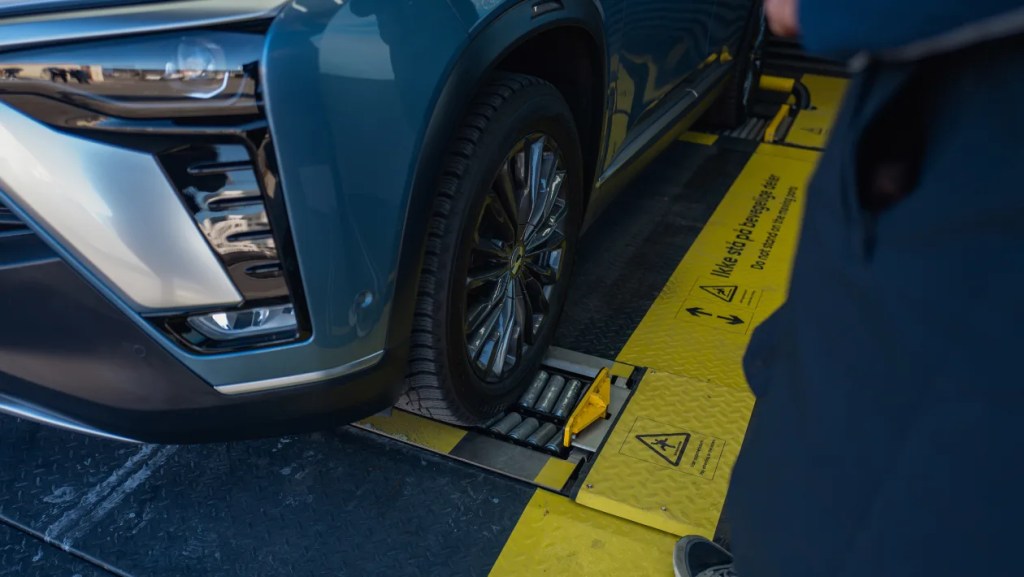
The whole process is automated, and drivers don’t even have to step out of their cars. The empty batteries are checked, then recharged, just like the BBQ tank swap at Home Depot. The NIO station then recharges the batteries during off-peak hours, when there is no strain on the electrical grid, and power can be purchased cheaper. It’s actually quite brilliant.
Every electric car manufacturer claims their battery packs are ‘proprietary equipment’ different than any others. But standards could be set on these battery packs which would allow uniformity in the market and future compatibility. Drivers wouldn’t need a so-called super-charger at home. They would just drive to the local Esso station and pop in a fresh battery. And as battery technology improves, the battery pack would remain the same physical size, but simply become lighter, or more power-packed.
But the electric vehicle infrastructure in North America isn’t about building a better tomorrow. It’s about scamming consumers in to paying a premium price for an electric car, and tying them to one brand only.
preach it, brother
Just getting warmed up…