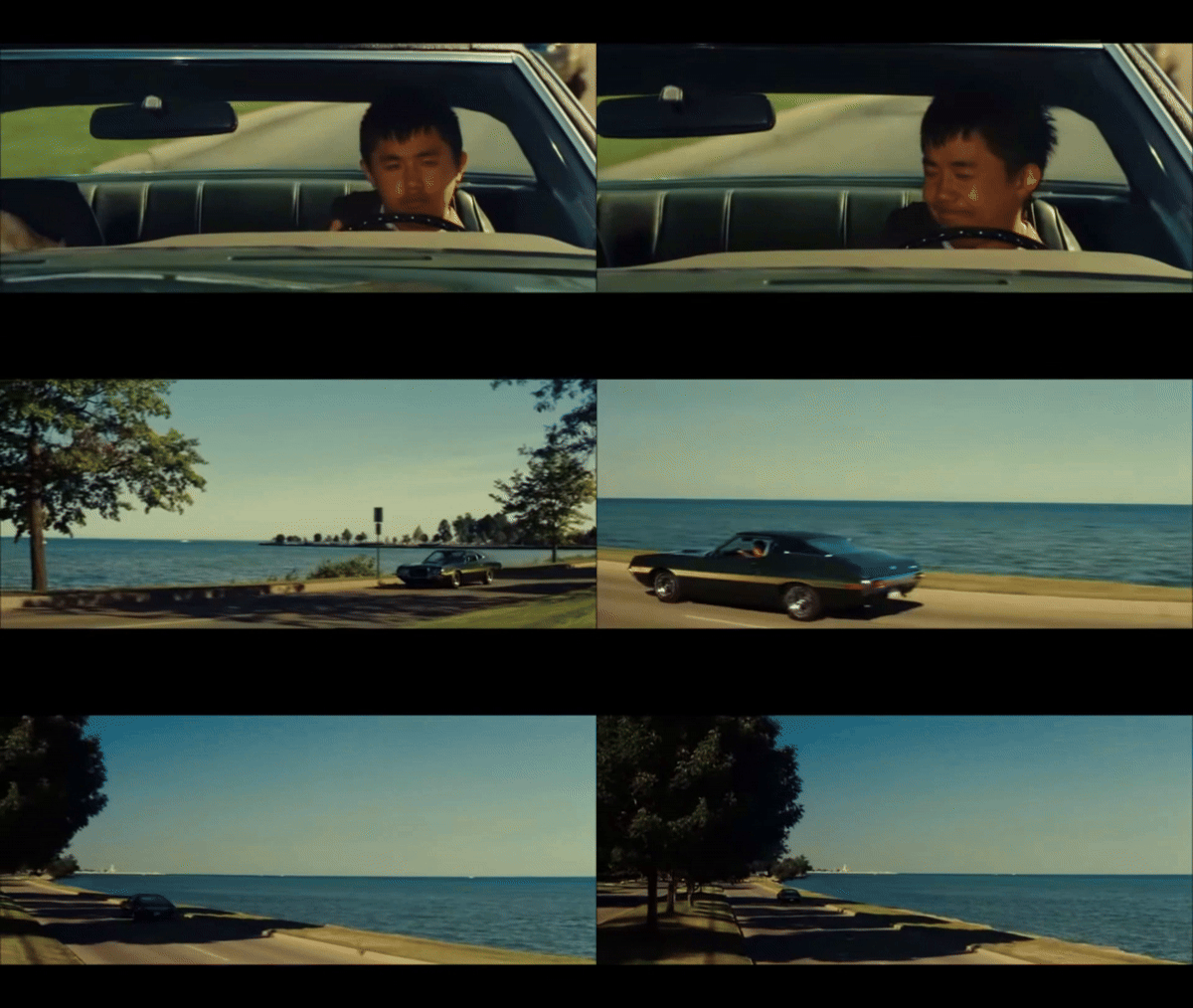
The 2009 movie ‘Gran Torino’ was directed, produced by and starred Clint Eastwood. Widely acclaimed as a masterpiece in the crotchety-old-man phase of Eastwood’s career. Unfortunately ‘Gran Torino’ is not a ‘car flick’ despite the title sharing the name of a Ford model from 1972, but cars do play a strong symbolic role in the film.
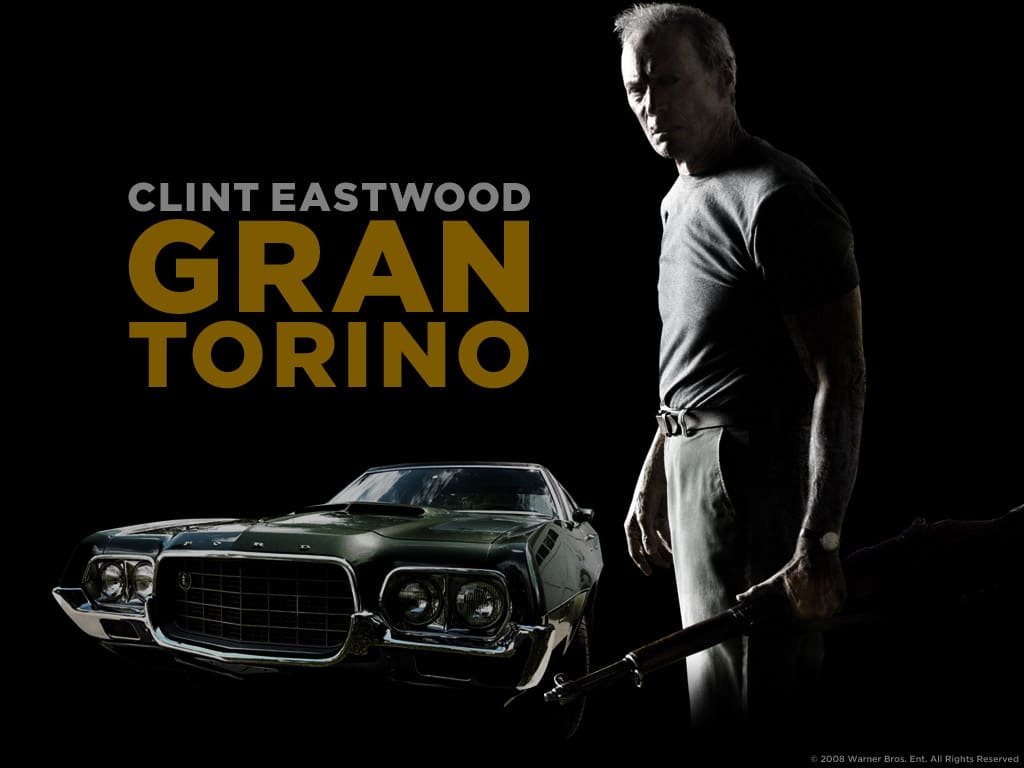
This protagonist of the movie is permanently pissed-off, Korean War veteran Walt Kowalski. After the war, Walt got married, got a job at the Ford plant in Detroit, and raised a family. But now he’s an an old man, filled with regret, waiting to die alone. His wife of 50 years passed away, and widowed Walt has grown estranged from his adult children and thankless grandchildren. When the teenaged boy who lives next door tries to steal Walt’s car as part of a gang initiation, Walt takes the boy under his wing. The movie follows the unlikely pair on the road to redemption.
1972 Ford Gran Torino
Walt is the last white man still living in the Hmong slum in Detroit. In his garage sits a 1972 Gran Torino that he himself helped build on the Ford assembly line, back in the day.
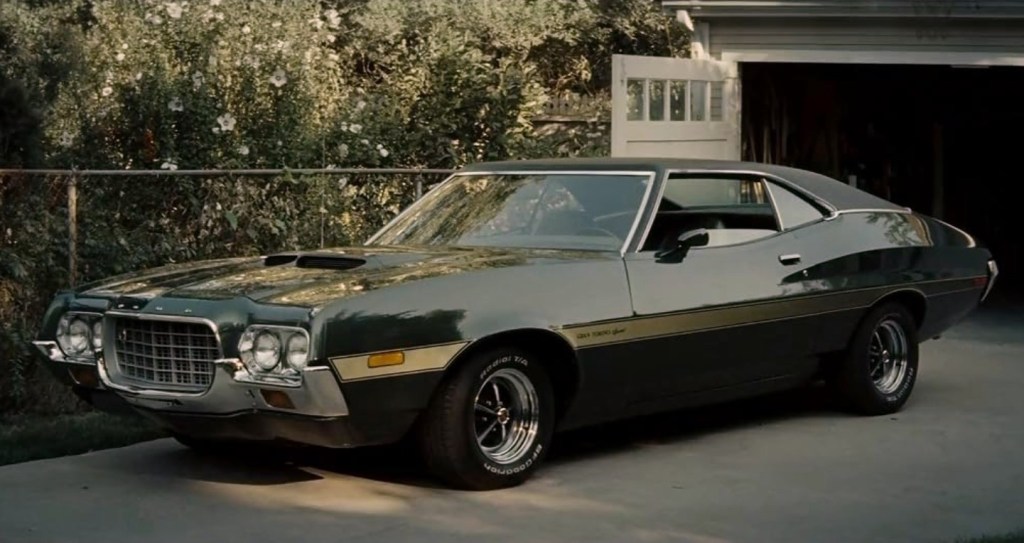
The classic car is kept in pristine condition, and serves as a physical, tangible connection to Walt’s useful role at the Ford factory. But its also a sad relic of a long-gone era and represents how Walt clings to the past, unwilling to change. The Gran Torino was a powerful muscle car, with a 351 cubic-inch Cleveland V8, Ram Air induction and dual exhausts. But in the context of the film, it’s a symbol of America’s decline from a powerhouse to a nation in decline. In the forty-years since that car was built, American manufacturing has disappeared, the nation is economically deteriorated, and is no longer a world leader.


1992 Honda Civic
This is one ghetto car, but the local gang rolls five-deep in the Civic like it’s a Benz or something. At the time of filming, this Civic would have been just a crappy used car, not fast or sporting in any way.
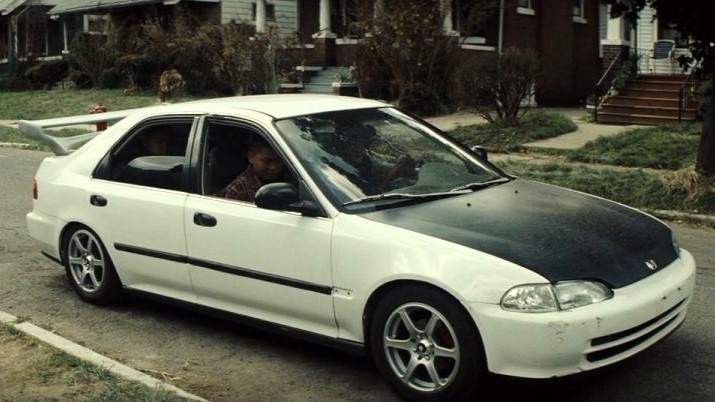
The Honda was a four-door sedan with an anemic 1.5L four-banger plumping out 102 HP, mated to an automatic gearbox. Faded white paint on the body contrasts with flat-black rattle can paint on the hood, and a primer-grey, oversize spoiler that just screams ‘ricer’. Out back, a fart cannon exhaust has been installed, sacrificing backpressure and performance for sound. This is exactly the kind of cars teenagers could afford at the turn of the century. Anything American was considered a garbage grandpa’s car, while a Japanese car like a Honda was sought after and revered. This car represents the youth’s complete break from the values of the past.


1972 Ford F-100
Walt’s daily driver is a dented pick-up truck, also from 1972 when he worked at the Ford factory installing steering columns.
The rut on the rear fenders and creaking driver’s door are exactly what to expect; this was a work truck. A short cab, long bed truck, it could fit three on the front bench feat, and 4×8 sheets of plywood in the bed with the tailgate up. This is the kind of truck driven to a job-site, not like today’s pavement princess pick-up trucks with their leather interior, air-conditioning, and a deb that’s never seen a tool dox. The Ford is the last of its kind, from the golden age of American automobile manufacturing, before the pesky EPA and oil embargoes put an end to the big V8 party. Walt’s F-100 symbolizes American pride, craftsmanship and work ethic that have disappeared just like manufacturing jobs in Detroit. Like his Gran Torino, the Ford F-100 is Walt’s connection to the past, to a traditional, outdated, patriarchal, WASP way of life.


2008 Toyota Land Cruiser
If the Honda Civic shows how American cars lost their cool with the youth, the Land Cruiser represents how Walt Kowalski’s kid’s generation gave up on ‘American Made’ altogether.
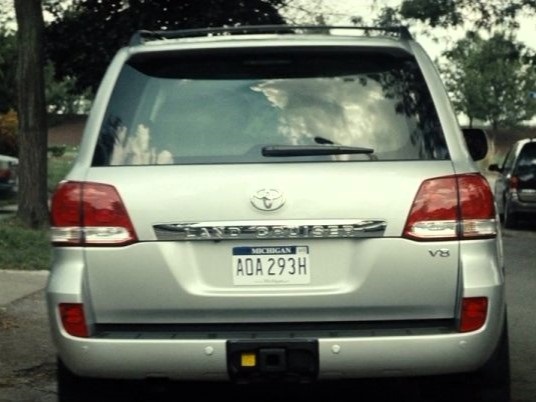


Despite his father Walt spending decades working at the Ford factory, firstborn son Mitch Kowalski drives a Toyota Land Cruiser, much to Walt’s disgust. If there’s one type of vehicle American manufacturers still know how to build its pick-up trucks and full-frame SUVs. Walt chastises his son by demanding of him “Would it kill ya’ to buy American?!” when he looks at the Japanese version of a Ford Bronco that his kid drives. The Toyota Land Cruiser symbolizes the death of rust-belt patriotism, and the rise con conspicuous consumption. An imported vehicle demonstrates wealth and social status. Some would even say that ‘Gran Torino’ is a metaphor for the death of the American automobile industry.
While the vehicles in the film do not play a critical role, like Herbie in a ‘Love Bug’ movies, they are representative of the values that characters cherish. Walt wishes America had remained white picket fences and white families in his neighbourhood. While he is a mean, violent, and racist man, the film focuses on Walt’s redemption. He makes a connection with the Hmong family next door, who don’t look dissimilar to the North Koreans Walt killed in the war, and becomes a father to them.
In the climactic scene, Walt sacrifices his life to protect his Hmong family, and collapses on the ground in a crucified Jesus-like pose, with blood running down the palm of his hand. Walt is shot 14 times, representing the 14 Stations of the Cross, depicting the Passion of Jesus Christ, culminating in his crucifixion and burial.
Some criticized the movie for using the tired old ‘white saviour’ trope. But in the final scene, as Walt’s last will and testament is being read, he leaves his cherished Gran Torino to neighbour Thao, the same boy who tried to steal the car but is now a man who deserves it. The scene also includes the best line in the movie, and says a lot about car culture:
“And I’d like to leave my 1972 Gran Torino to my friend Thao Vang Lor. On the condition that you don’t chop-top the roof like one of those beaners, don’t paint any idiotic flames on it like some white trash hillbilly, and don’t put a big, gay spoiler on the rear end like you see on all the other zipperheads’ cars. It just looks like hell. If you can refrain from doing any of that, it’s yours,”
This is such a fine movie review, sir. It was the best read of the week.
Thank you, sir. Had to re-watch it and look for meaning on wheels.