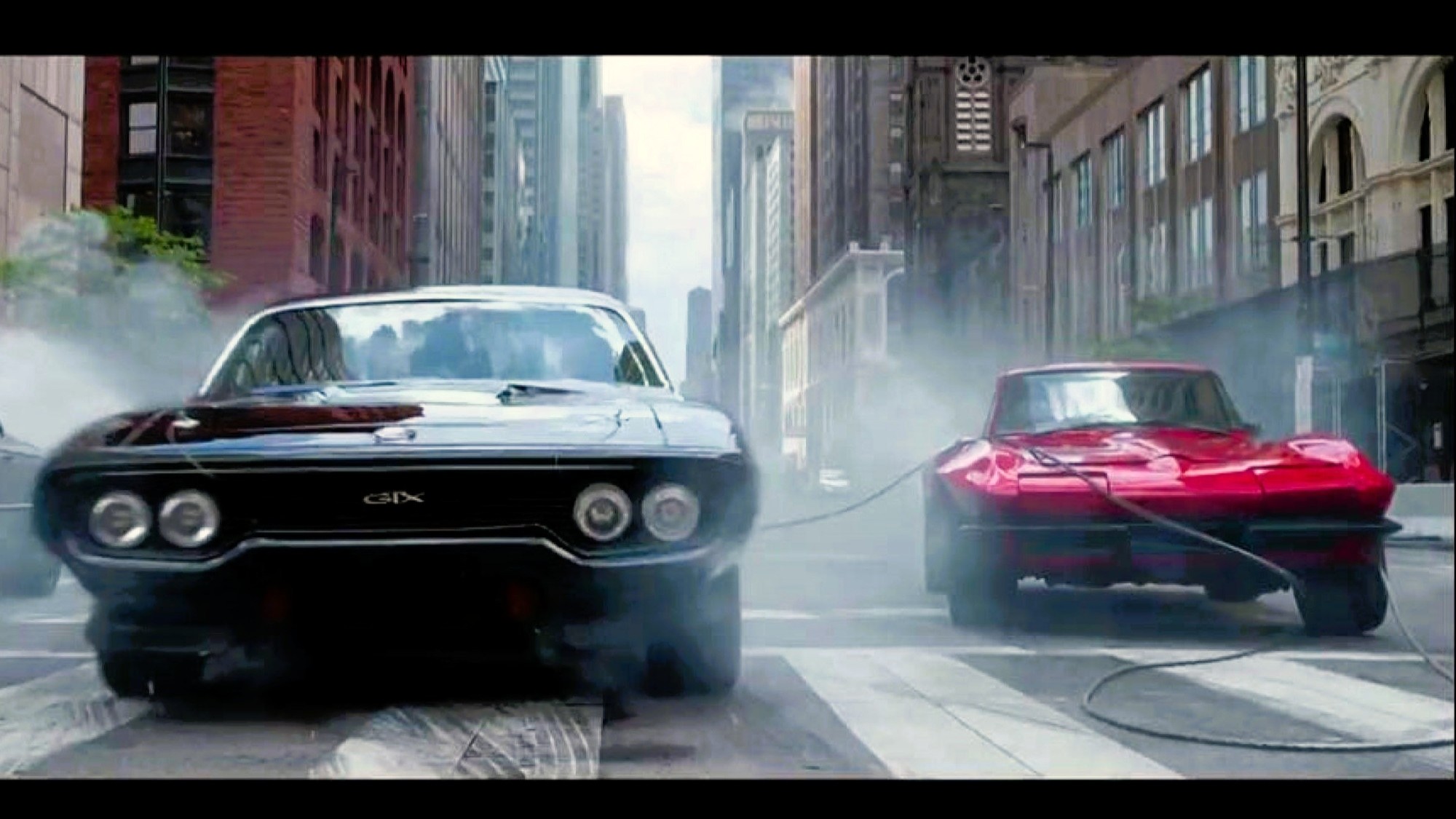
The 2017 film ‘The Fate of the Furious‘ is the eighth entry in the series grappling with notable absences. The loss of Paul Walker, along with the departures of Sung Kang and Gal Gadot, left a perceptible void within the fast family. To compensate, the film leans on star power, bringing in the likes of Jason Statham, Charlize Theron, and Helen Mirren. With F. Gary Gray taking over as director, the big question was whether the movie would stay true to its themes of loyalty and family, or just go all-in on over-the-top action.


At first, it feels like classic F&F; opening in Cuba where Dominic Toretto and Letty Ortiz are enjoying their honeymoon. There’s a street race, classic cars, and a crowd of bikini-clad women cheering it all on. Dom squares off against a local loan shark in a race for pink slips. Dom’s assertion that “It doesn’t matter what’s under the hood…only who’s behind the wheel” reinforces his established philosophy. Despite Dom’s victory, he allows his opponent to keep the car, stating that earning his respect was enough.
It’s a callback to Brian O’Conner (Paul Walker) in the original F&F film, who raced for respect not money, because “To some people that’s more important.”. A little nostalgic, but exactly what longtime fans expect.
Then the movie takes a sharp turn. Enter Cipher (Charlize Theron) who corners Dom and coerces him into joining a nefarious plot, not yet revealed. Soon, Dom turns on his family and steals an EMP electromagnetic pulse device for the criminal organization. It’s a shocking moment, not just because of the betrayal, but because it shakes the foundation of the entire series. Dom is more than just the leader and patriarch; he’s the moral centre.
Many in the team are left scrambling, unsure whether Dom has truly gone rogue, while Letty’s unshakeable faith in Dom won’t allow her to believe he’s betrayed the family.


This is where the movie really separates itself from earlier entries. Instead of just focusing on action, it digs into what happens when that unbreakable ‘family’ bond starts to crack. The tension feels real, even as the action scenes get bigger and more ridiculous. Eventually, we learn the truth: Dom isn’t acting out of selfishness—he’s being manipulated into protecting his child, a son he didn’t even know existed. It’s dramatic, and maybe a little too telenovela-like, but right on the mark for a series that thrives on emotional stakes as much as explosions.
The film also gestures toward religious symbolism, particularly in its treatment of redemption and salvation. Dom’s arc has been interpreted by some as Christ-like: a figure who endures moral condemnation and acts to protect the innocent. The reintegration of former antagonist Deckard Shaw into the group further underscores this theme of redemption.
The most overt symbolic moment occurs during the climactic final chase sequence, when the team faces seemingly insurmountable odds against a nuclear submarine. In a moment of desperation, Tej Parker (Ludacris) orders the fast family to pray for help and Dom literally descends from above in a rocket powered Dodge Charger. He protects his family, defeats evil, and restores order, echoing the savior archetype.


Under F. Gary Gray, “The Fate of the Furious” surpassed $1 Billion at the box office, the first time ever for a black movie director. His direction retained the film’s thematic core while embracing a broader cinematic scale. The film navigates themes of faith, loyalty, and redemption within the framework of an increasingly global and stylized action spectacle.
The franchise has long since moved beyond its origins in street racing, yet sustains the series’ central commitment to family, even as it redefines what Fast & Furious films are all about.