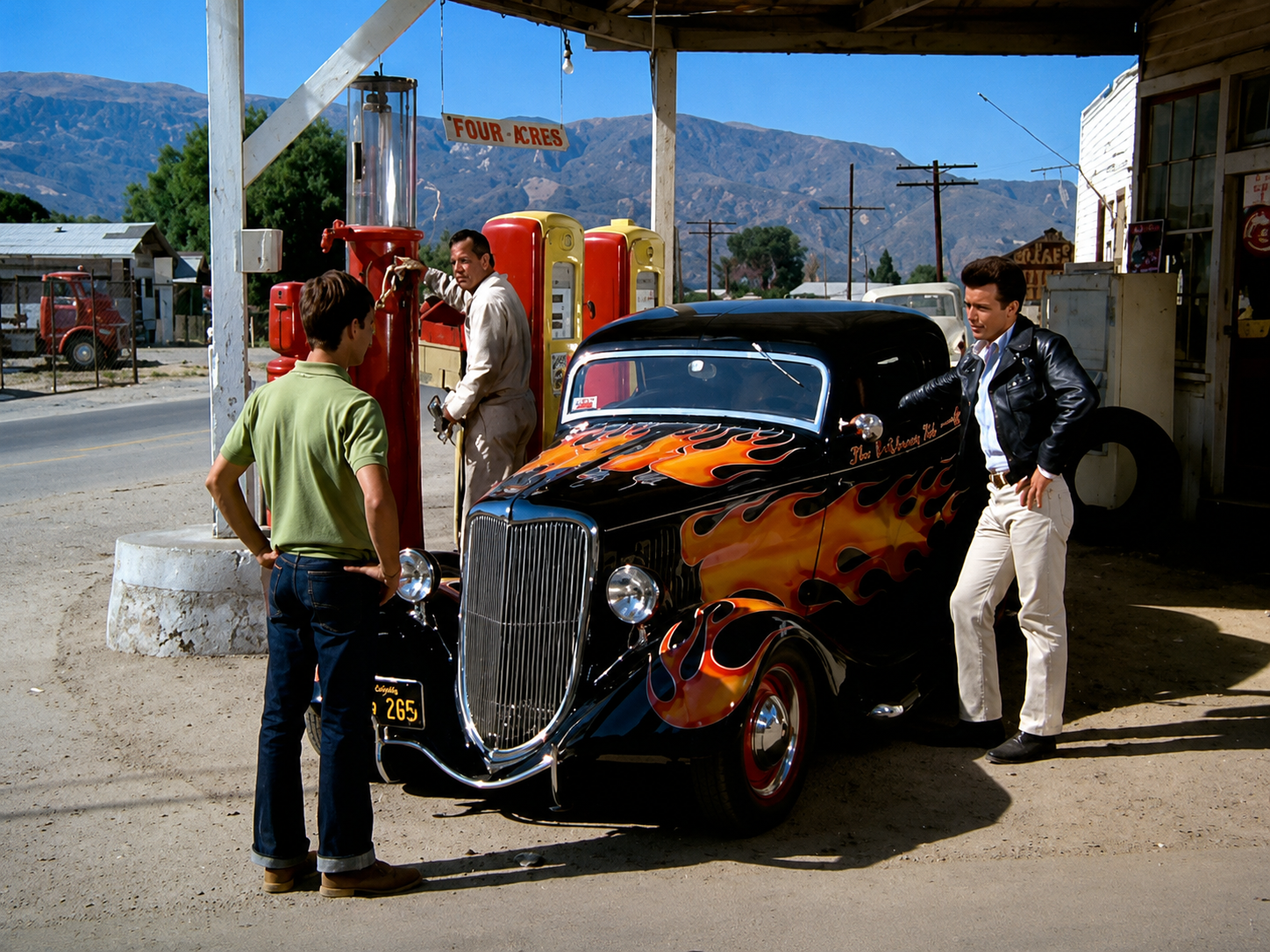
There’s probably a lot of gearheads out there who think that a particular black 1934 Ford coupe with the flame job is named the California Kid, in the same way a certain customized 1951 Mercury Club Coupe was called the Hirohata Merc. Not quite. The California Kid is actually the name of a made-for-TV movie starring Martin Sheen. It first aired as an ABC Movie of the Week on September 25, 1974.


Made-for-TV movies of the ’70s were not the same as a Netflix release today. They were generally low-budget productions made for a single television broadcast, often focused on relatable social issues or PG thrillers safe to watch from the living room couch. The California Kid fits that mould perfectly: a hot-rod revenge story wrapped around grief, corruption, justice, and one very famous ’34 Ford.
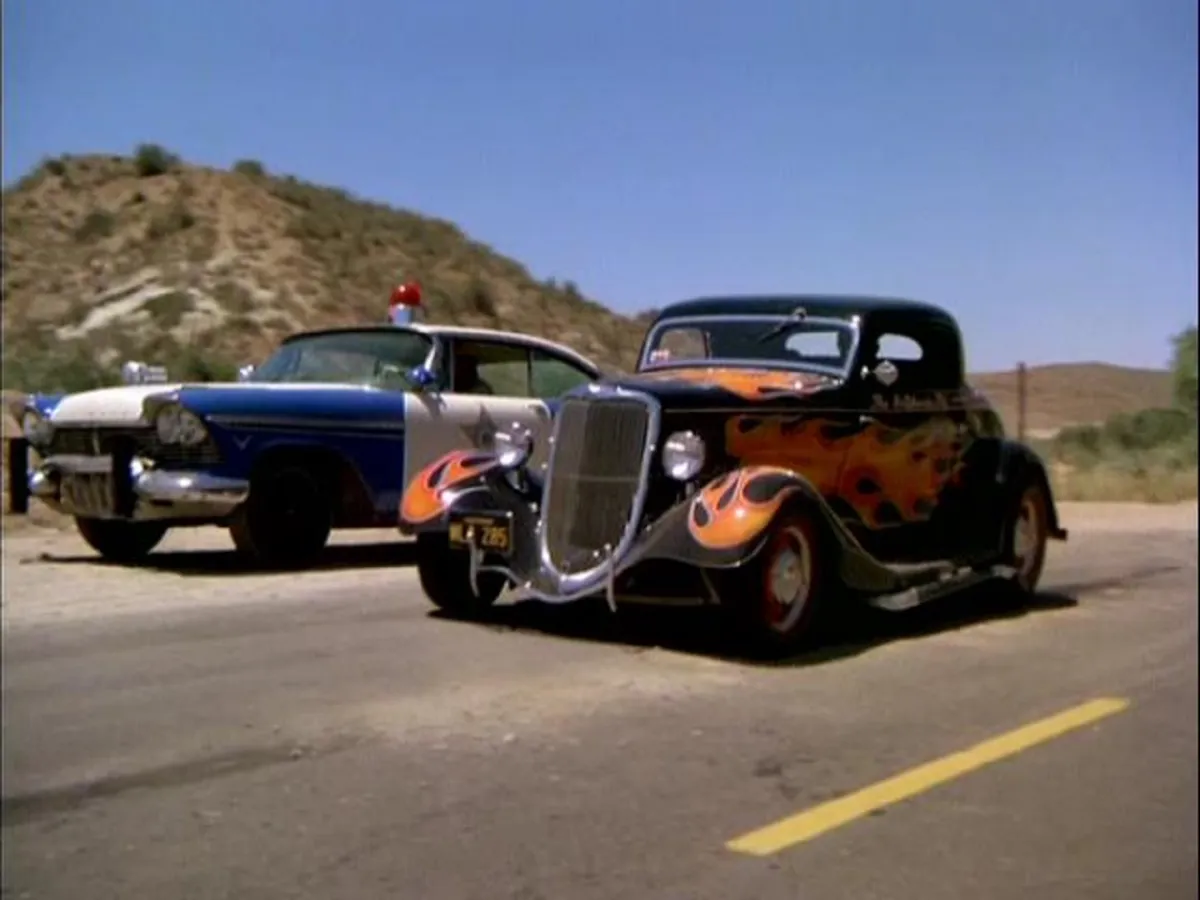
Set in the late ’50s, the movie tells the story of small-town Sheriff Roy Childress, played by Vic Morrow, a corrupt authority figure who uses his badge like a weapon. Years earlier, Childress lost his wife and child to a speeding hit-and-run driver. That tragedy shattered him, and somewhere along the way his idea of justice turned rotten. Instead of protecting the public, he starts hunting speeders on the mountain roads outside town, forcing them off the road and over the cliff.


Enter Michael McCord, played by Martin Sheen, a quiet hot-rodder who arrives in town driving a black 1934 Ford coupe with flame paint and California plates. McCord is not just passing through. His brother died on that same mountain road, and the official explanation never sat right with him. At first, McCord is driven by grief. His brother’s death feels unresolved and senseless. But when he inspects the wrecked car and realizes the rear bumper was rammed, the story changes. This was no ordinary accident. Somebody pushed his brother off the road. That discovery turns grief into revenge.
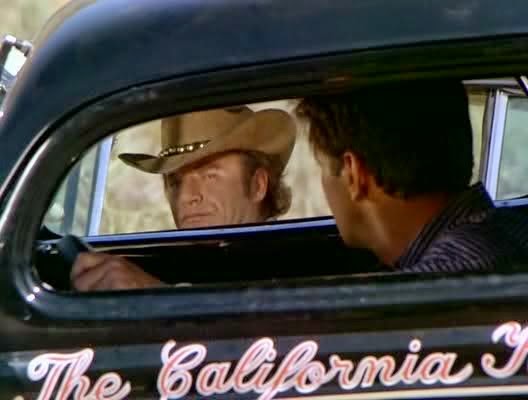
But The California Kid is a little smarter than just “hot rodder kills bad sheriff.” McCord does not simply want to shoot Childress or run him off the road in cold blood. He wants the truth exposed. He wants the sheriff beaten at his own game, in front of the town, by the same mountain road Childress used to terrorize everyone else. That is the movie’s real engine. Both men are carrying grief. Childress lost his family. McCord lost his brother. The difference is what they do with it. Childress turns his pain into cruelty and hides behind the law. McCord turns his grief into a mission to uncover the truth.


The second act is the highlight for gearheads, with McCord tuning his hot-rod Ford on the twisty mountain roads like a motorized Rocky training montage. He adjusts the car, learns the corners, improves the handling, and prepares for the inevitable chase. When the sheriff finally comes after him, McCord is ready. That final showdown is not just about revenge. It is poetic justice. Childress is destroyed by the same kind of high-speed mountain-road violence he used on others. The corrupt sheriff becomes the victim of his own method. The badge, the police car, the fear, the rigged game, all of it comes apart.
The car itself, The California Kid, becomes more than a cool hot rod. It is a symbol of freedom, defiance, and rebellion against a small-town tyrant who forgot the difference between enforcing the law and feeding his own rage.
Pretty heavy stuff for a 50-year-old made-for-TV hot rod flick. Check it out if you can find it.
I learned a lot from this story. It reminds me of the one where the moonshiner is run off the road using a mirror. It appears like a head on but it is not.
Yeah, that one is called ‘Fireball 500’ from 1967:
https://demaras.com/2025/05/23/fabian-and-friends-in-fireball-500-1967/
In that flick ‘road pirates’ intent on stealing illegal booze drive directly at the moonshiners cars, forcing them to veer over a cliff to avoid the head-on collision.
A real B-Movie but some cool cars in that one!