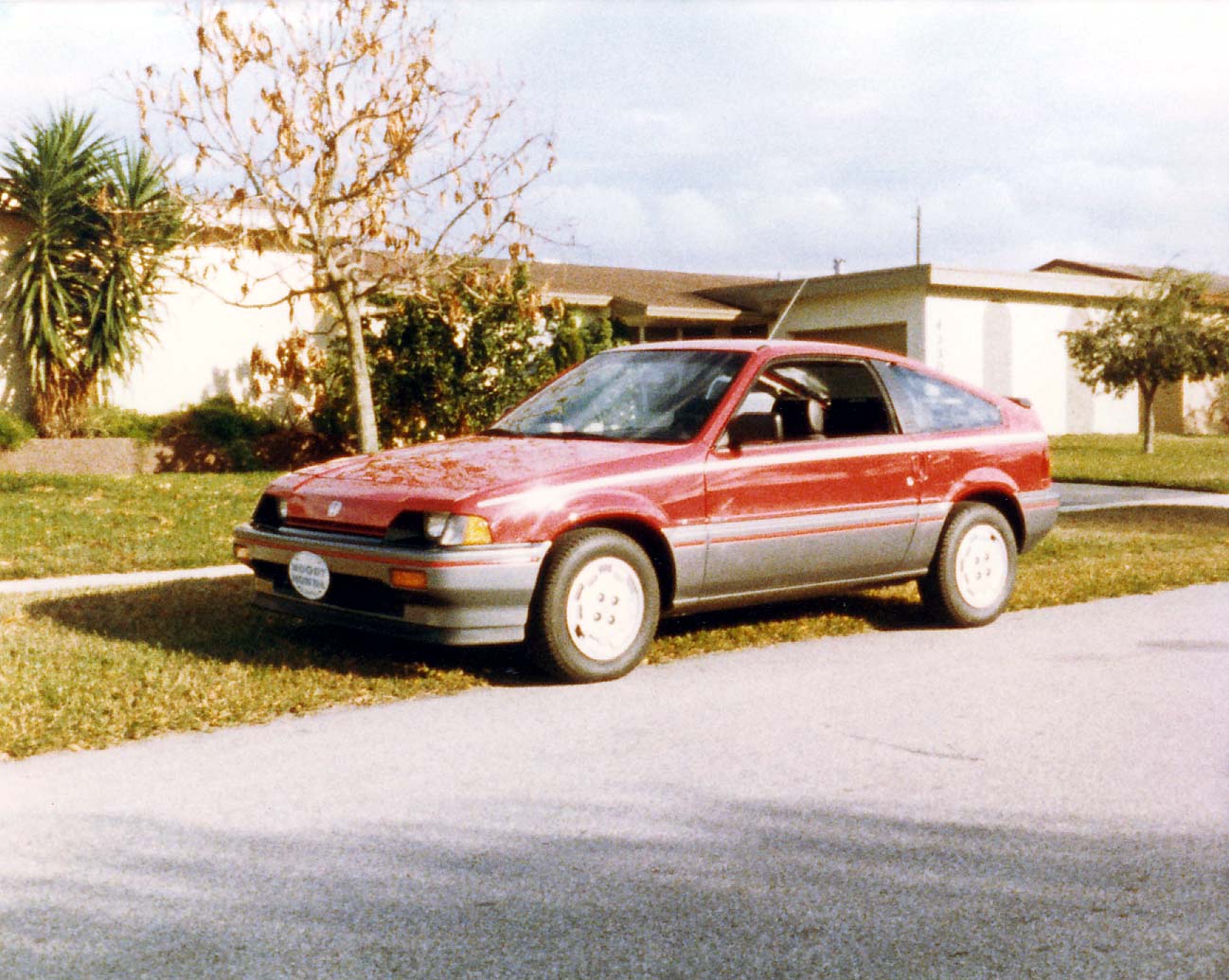
When I was a young gearhead, all I wanted was a base-model new car. Rubber floor mats, roll-up windows, and manual locks that gave me an excuse to lean across my date’s shoulder and lock her door like a gentleman.
Whatever AM/FM radio came with the car was temporary. Once I pocketed a few more paycheques, I’d install an Alpine head unit with little green-lit buttons, maybe even a 10-inch subwoofer to rattle the body panels. That was the dream: a dependable new car, cheap enough to buy, simple enough to afford, and basic enough to become mine one paycheque at a time.

That’s why electric cars bother me so much. Not because I need every vehicle to sound like a Subaru boxer engine creating 15 pounds of boost as it reaches for 6,000 RPM. And not because EVs are slow. They are not. The problem is the opposite. The industry discovered the instant torque of electric motors and immediately lost its mind.
A Tesla Model S Plaid or Lucid Air Sapphire is not transportation. It is an engineering flex with a green EV licence plate. Around 5,000 pounds, five seats, 200 mph top speed, and enough acceleration to rearrange your internal organs alphabetically. Nobody on earth needs that from a family car. It’s preposterous.

EVs were supposed to give city drivers efficient little runabouts, something smaller than a Mini Cooper, something cheap, clean and clever. For years, I was certain my wife’s Mini would eventually be replaced by a good-looking, two-door EV for her commute to the hospital downtown. That seemed like the obvious future. Small car, short commute, no gas, no drama.
Instead, we got the modern American land yacht: too heavy, too powerful, too expensive, and stuffed with tech nobody asked for but everybody is apparently expected to get a subscription for.
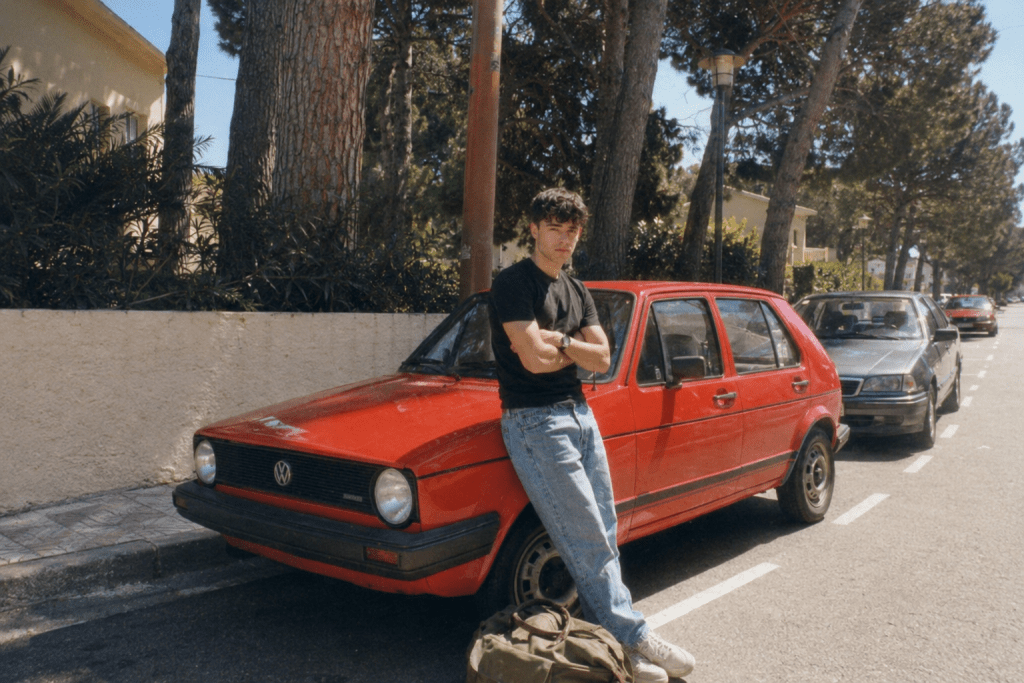
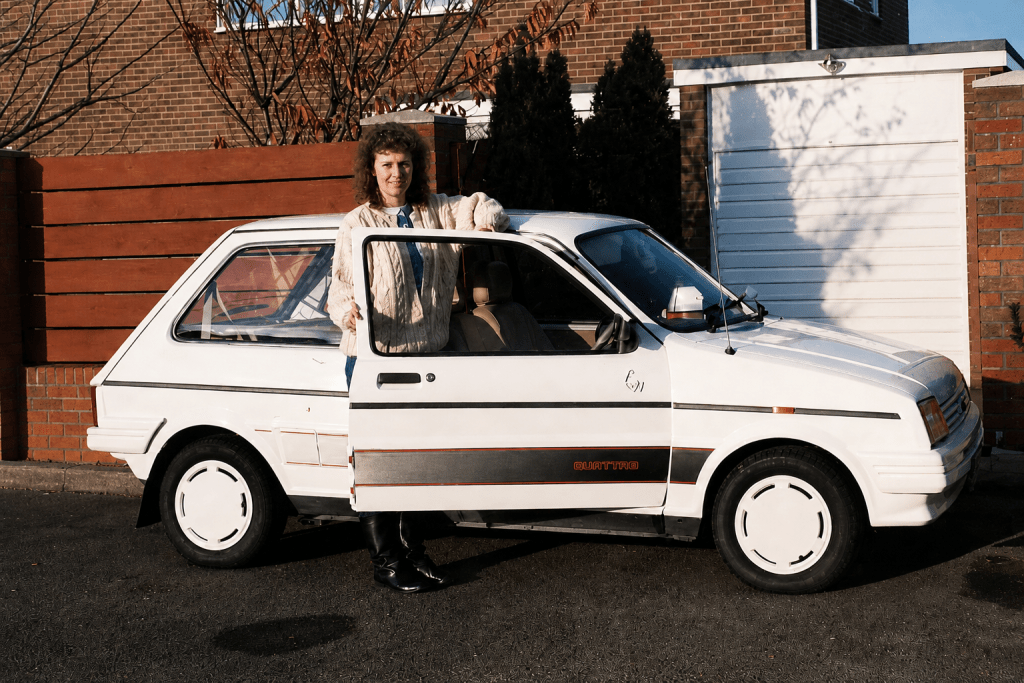
When I was a teenager, small, cool, affordable two-door cars were everywhere. Chevy Cavaliers, Pontiac Sunfires, Honda Civics, Toyota Paseos, Saturn coupes, Mazda 323s, Suzuki Swifts and VW Golfs filled high school parking lots.
Sure, plenty of us started in econoboxes like Hyundai Ponys and Chevy Chevettes, but buying a new car still felt possible. It was a rite of passage for middle-class suburban kids. You bought the base model because that was all you could afford, then made it yours over time. Today, that first rung on the ladder is missing.
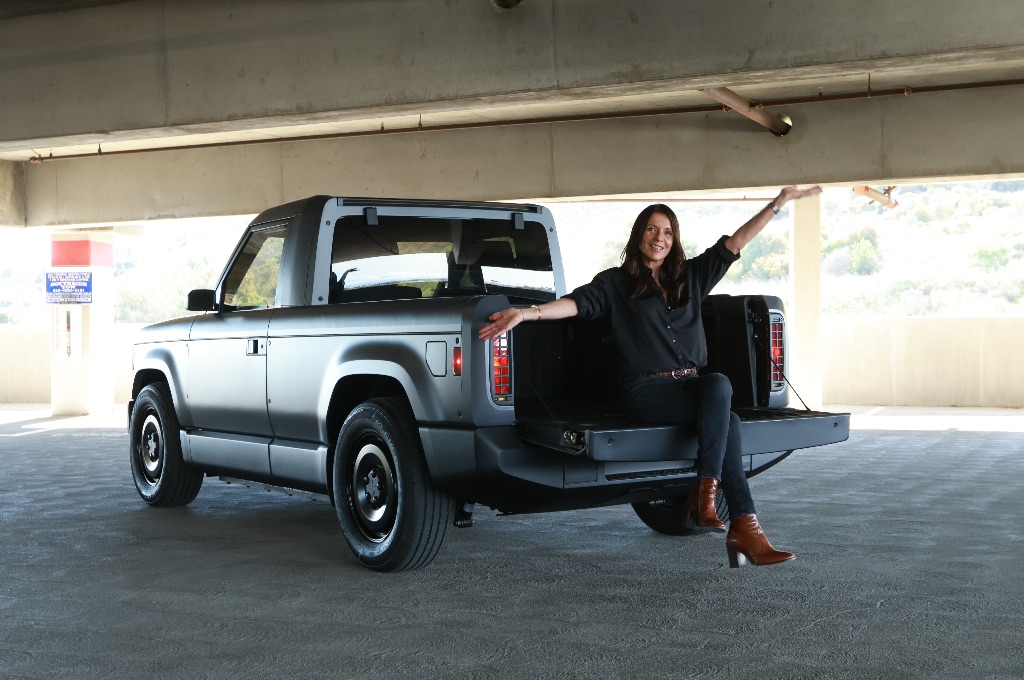
That is why the Slate truck was such a refreshing idea. A back-to-basics electric pickup, only a little larger than a two-door Jeep Wrangler, starting at $25K. No luxury features. No giant screen pretending to be a dashboard. Just affordable transportation with a bed on the back and some modesty.
Naturally, Canada will not get the Slate. Thanks to 25% retaliatory tariffs and cross-border policy theatre, the one North American company trying to build the cheap, simple EV young drivers actually need may be priced right out of our market before it ever arrives. Meanwhile, Canada has lowered tariffs on Chinese EVs from 100% to a 6.1% automotive import duty, opening a quota for cheaper imports.
And that is where my old dream connects with today’s young motorists. I wanted a cheap new car because I wanted independence. I wanted something dependable, something basic, something I could afford first and improve later. Young drivers today are not so different. They do not all need 1,000 horsepower, massaging seats and a tablet bolted to the dash. Some of them just want a new vehicle that will get them to work, carry their stuff, survive a Canadian winter and not financially kneecap them before they turn thirty.

For the longest time, I thought the affordable city EV would be that solution. Like Japanese kei cars are in their country, small EVs could have been the honest answer to modern transportation: efficient, simple, inexpensive and perfectly suited to urban life. Instead, most carmakers seem more interested in bloated cars and profit margins than affordable transportation.
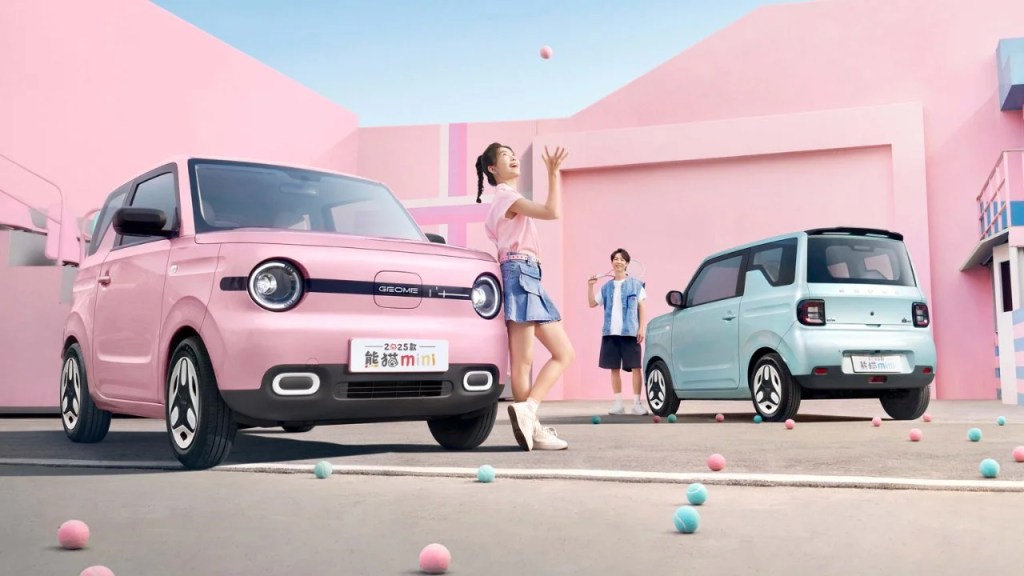
That is the punchline, and it stings. The affordable electric car I once hoped would be built here, the spiritual successor to the base-model car I dreamed about as a young gearhead, might still come to Canada. It just might be made in China.
~ by Chris Demaras