
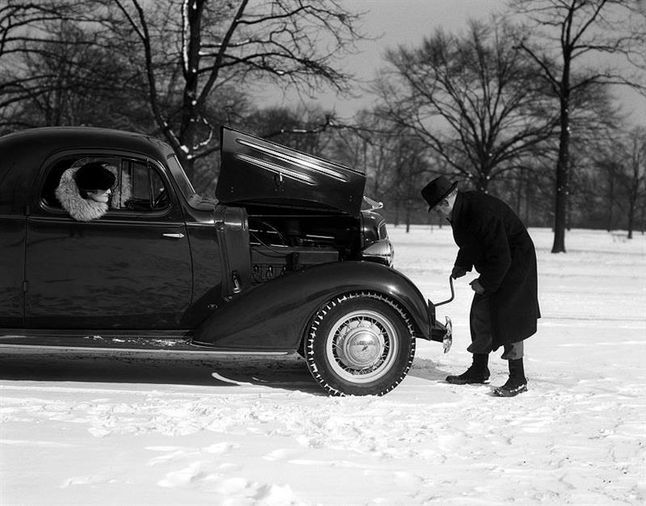
While cruising through driving school at sixteen, Daniel Demaras already knew his first car would be a Bugeye WRX. During discussions around the dinner table, the question of stick or automatic came up, and his answer was surprising for a motoring enthusiast. He laughed at the idea of driving a manual and compared it to the hand crank on a Model T Ford: totally outdated technology.
Now that Michelle Demaras is the same age and going through the same process, there is not even a discussion. Since she is not involved in motorsports, there would really be no point in learning to drive stick. Unless a driver is truly a ‘motoring enthusiast’ operating a manual transmission would only be helpful for jobs like long-haul trucker, parking valet or getaway driver, unlikely career paths for Michelle.
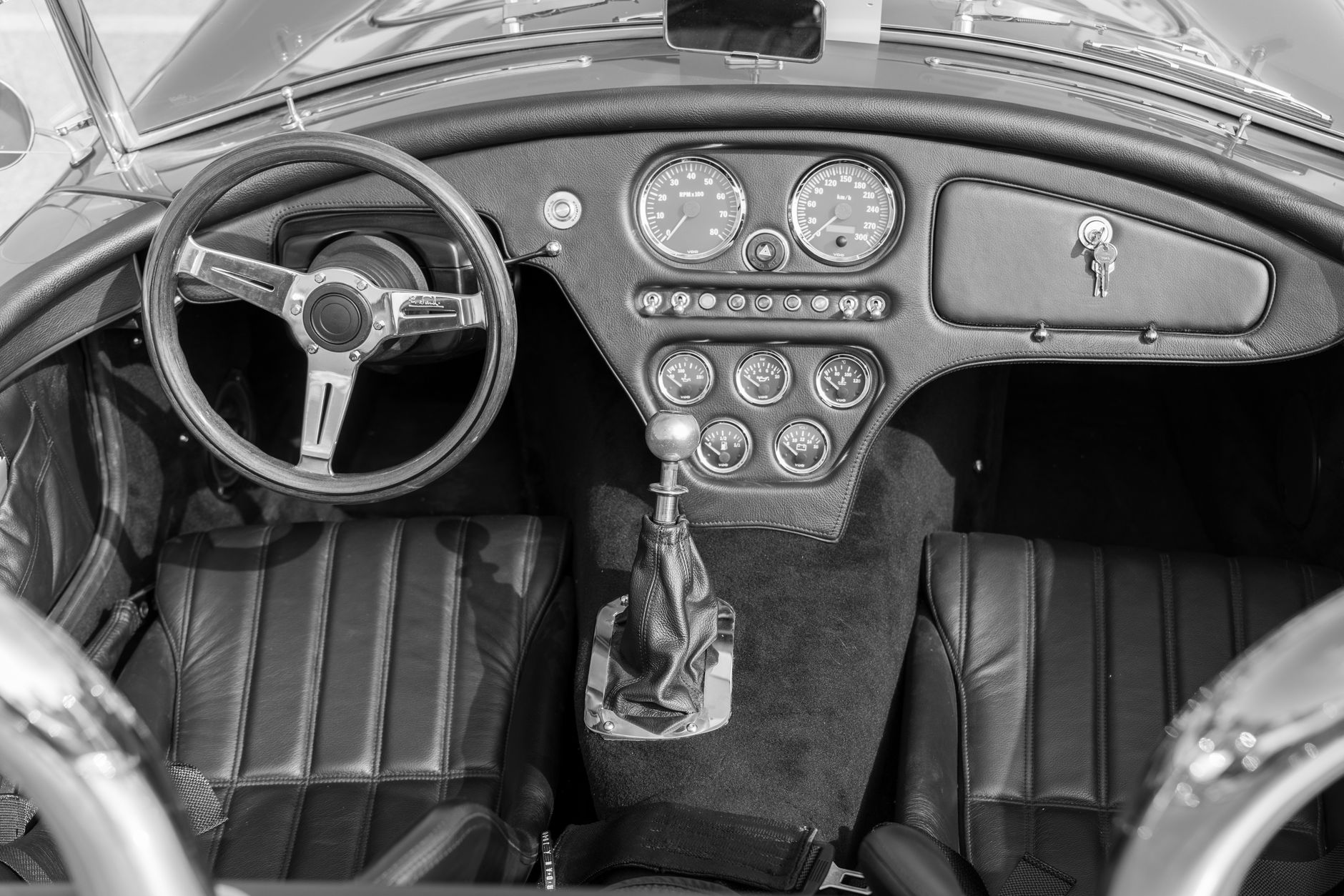
To generations of gearheads, driving a manual-transmission vehicle was considered a very basic skill. The coordination required to operate the clutch pedal and throttle while selecting the right gear was like playing a musical instrument. It taught car control because drivers needed to constantly pay attention to the vehicle to avoid stalling. Today’s drivers would rather pay attention to their phones and leave the driving to a computer.

Forty years ago, driving stick was necessary because 34.6% of cars made for the domestic market had manual transmissions—last year, that number was only 0.6%. A driver getting a licence today would be unlikely to find a manual-transmission car in the family garage. Cars equipped with automatic transmissions, especially CVTs, are now more fuel-efficient than cars with manual transmissions. Electric vehicles, with instant torque across the rev range, do not even require a conventional transmission.

A 2026 survey cited in a Washington Post article found that only about 39% of drivers 18 to 29 said they knew how to shift their own gears, compared with 83% of those aged 62 and older. The self-reported figures could be grossly inflated, but they certainly show a trend decades in the making.
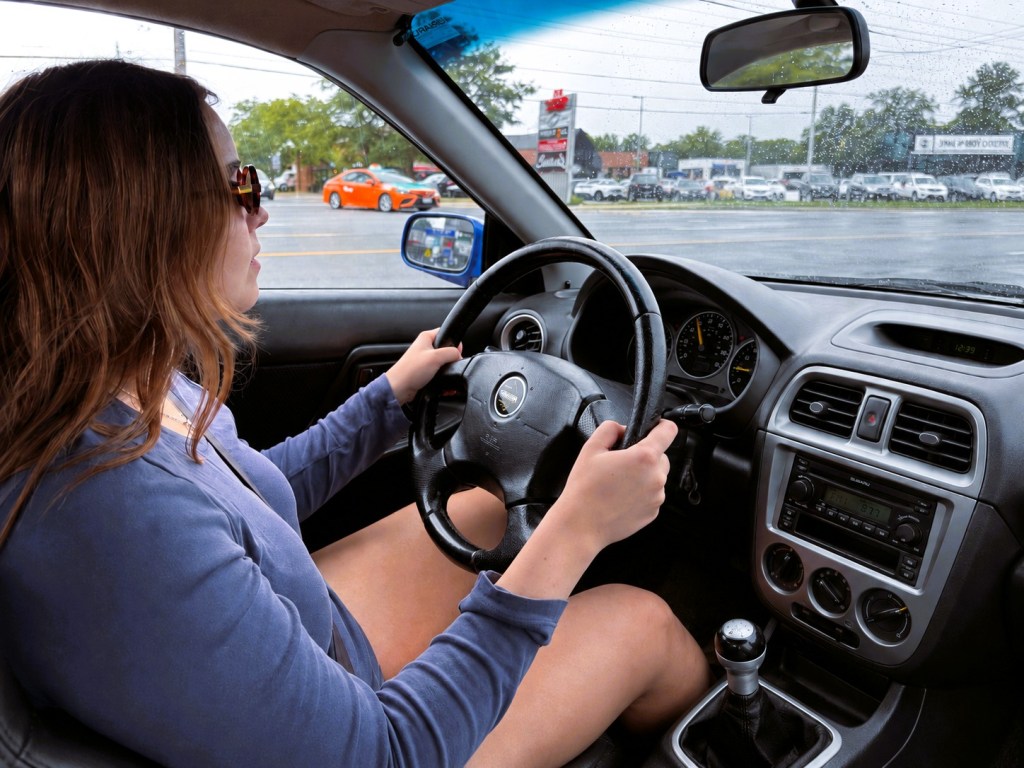
The manual transmission is effectively dead as far as daily-driver cars are concerned. The stick will survive among performance-car enthusiasts, collectors of vintage automobiles, and of course, race cars. But the skill itself is becoming increasingly rare.
Driving stick was once something nearly every motorist was expected to understand. Soon, it may be viewed the same way Daniel saw it at sixteen: an entertaining piece of obsolete machinery, not far removed from the hand crank on a Model T.


My favorite car is a stick shift, I can’t quite get the new 6 shift I don’t understand it . I’m used to making the perfect H I can’t in my mind figure out the new ones. I remember teaching my kids 😂😂😂 telling them this is the one car in college no one will ask to borrow because they don’t know how to drive it.
Do you mean you can’t get accustomed to a 6 speed manual? Like compared to a 5 speed?
Yes, my younger brother tells me they are similar but somehow I can’t grasp that.
I struggled going from a 4 speed to a 5 speed.
Now 6 speeds?!
Gosh…
I both miss driving stick and don’t miss it. Really depends on where I’m driving at the time…
Amen. Its so dependent on the circumstance, isn’t it?
Exactly. Steep hills in stop-and-go traffic? No.
Winding mountain road with no other cars. Oh yeah…
You may have just invented when the car market wants. A fully manual transmission with clutch and gear selector, that can switch to full automatic (for traffic) at the push kf a button!
Don’t some really high-end cars already have that?
I’d buy it in a heartbeat .. if it was affordable.
I will look into this! I know that late-model cars with “paddle shifter” can be left in full automatic mode. But I’ve never heard of a car with a proper clutch pedal and H-pattern shifter being able to also be an automatic.
I could be confused about the clutch pedal. I can’t afford the high end cars, so I don’t dig into them that much…
I miss the old stick shift at times …. from 4th to 3rd and drop the hammer to pass. The good old days!
Ever tried the paddle shifter they put on moderm cars? You can still select 3rd and GO but no clutch so it isn’t as satisfying
I had an experience that showed how much I missed driving a stick-shift car and how quickly the nostalgic feeling can disappear. In 2019, I visited my folks in Brazil, and I drove my dad’s manual Civic for two weeks. My smile faded away when I went through the first traffic jam.
Its always the traffic that turns people against manuals. Makes sense.
Stick shift on clear streets, twisty back-roads, or a race track, is big fun.
Daily commute? No fun!