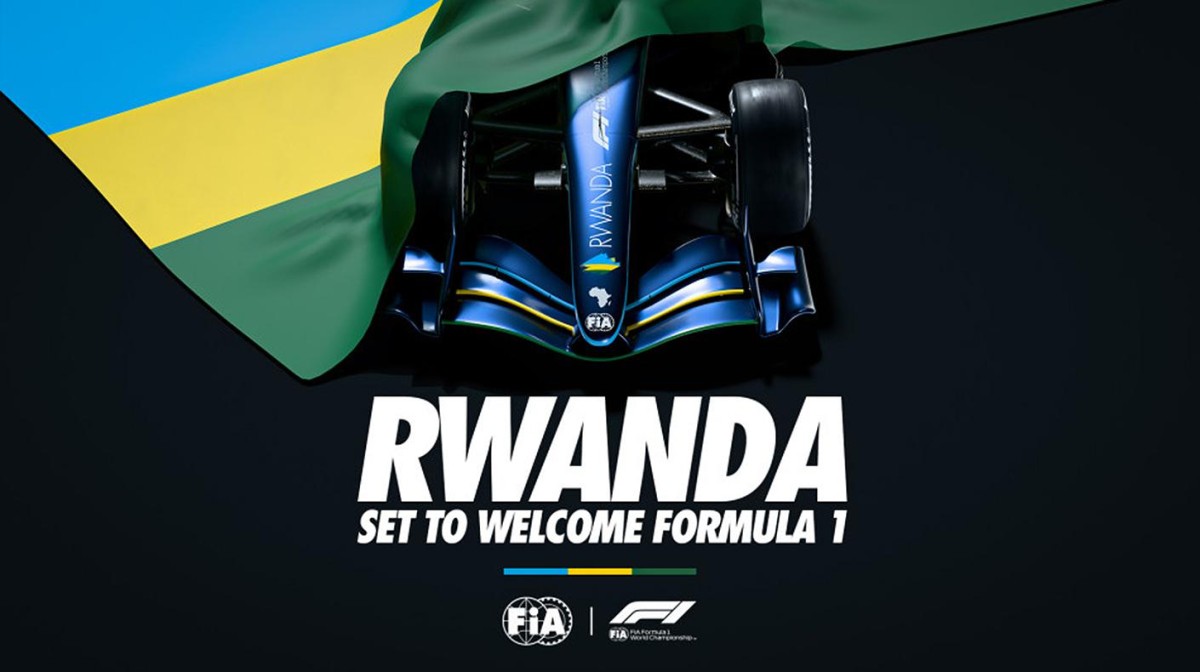
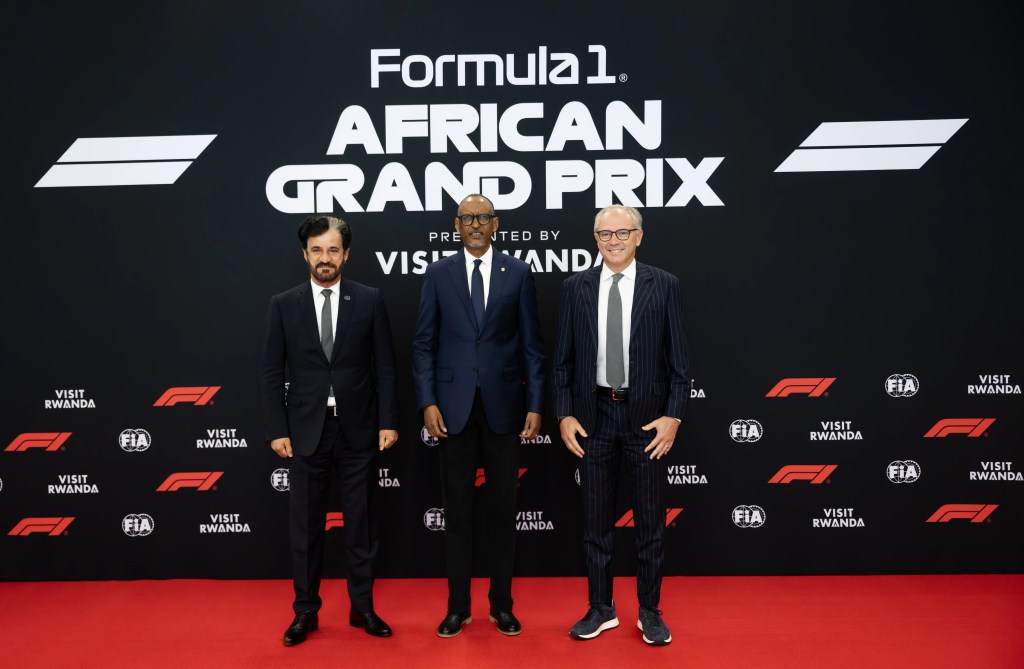
Formula 1 has finally found its missing continent. Unfortunately, it hasn’t found a racetrack. On Tuesday, October 13th, Formula 1 announced a ten-year agreement to bring the African Grand Prix to Rwanda in the early 2030s. Rwandan President Paul Kagame joined F1 boss Stefano Domenicali and FIA President Mohammed Ben Sulayem for the announcement. The proposed circuit will be built in Bugesera, approximately 40 km south of Kigali, beside a new international airport.
There’s just one problem. Neither the racetrack nor the airport has been completed.
Formula 1 desperately wants the prestige of calling itself a true world championship, with races on every inhabited continent. But why build a circuit from scratch when Africa already has racetracks? South Africa’s legendary Kyalami circuit hosted Formula 1 for decades, most recently in 1993. It has the history, infrastructure and motorsports culture that Rwanda lacks. Kyalami was even part of South Africa’s bid to bring F1 back to the continent. It lost to a racetrack that doesn’t exist. And there’s a reason to be suspicious of these grand international sporting announcements.

Back in 1988, Toronto activists formed an organization called Bread Not Circuses to oppose the city’s bid for the 1996 Summer Olympics. The coalition brought together labour unions, anti-poverty campaigners, human-rights advocates and community organizations. Their argument was simple. Why spend millions trying to impress the world with an international sporting spectacle when ordinary citizens were struggling with homelessness, poverty and inadequate public services?

Bread Not Circuses challenged the promised economic benefits of the Olympics, demanded greater accountability and even travelled to Tokyo to oppose Toronto’s bid before the International Olympic Committee. Toronto lost to Atlanta, and the organization continued its opposition when the city bid for the 2008 Games. More than three decades later, the same questions should be asked about Rwanda’s Grand Prix.

Hosting Formula 1 is an expensive gamble. South Korea built an elaborate circuit and hosted only four races between 2010 and 2013. India spent approximately US$400 million constructing the Buddh International Circuit and managed just three Grands Prix. Even Turkey’s excellent Istanbul Park disappeared from the regular calendar after hosting fees became too expensive.
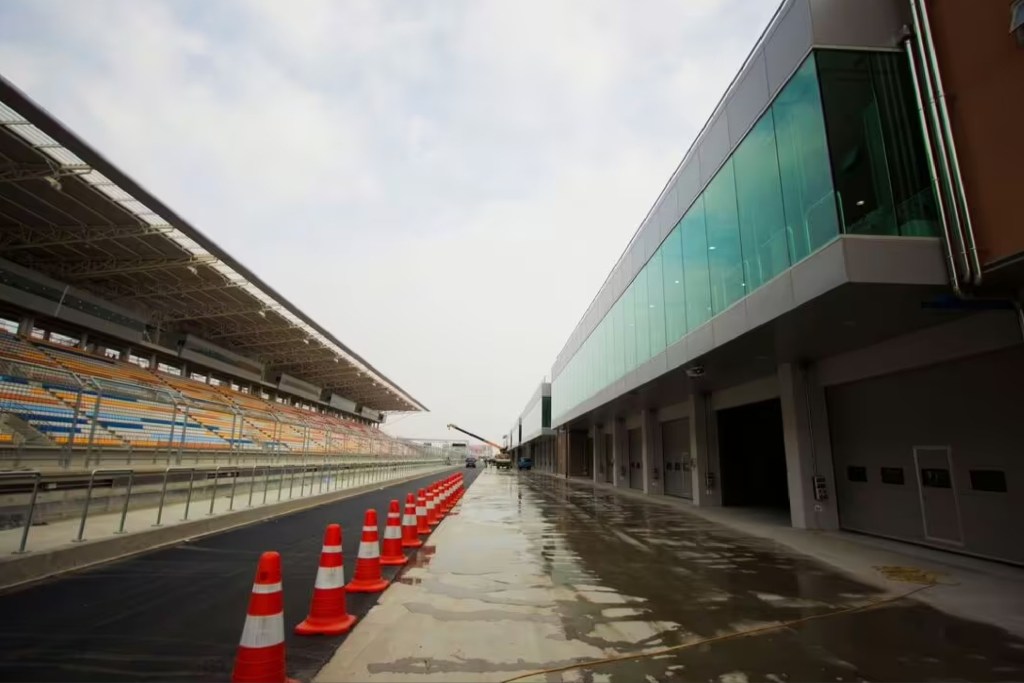
The problem is Formula 1’s business model. Local promoters pay enormous hosting fees, construct or upgrade facilities and carry much of the financial risk. Meanwhile, F1 collects its fees and controls lucrative television rights, international sponsorships and commercial agreements. For a developing country like Rwanda, where poverty remains a serious concern, that’s an extraordinary gamble.
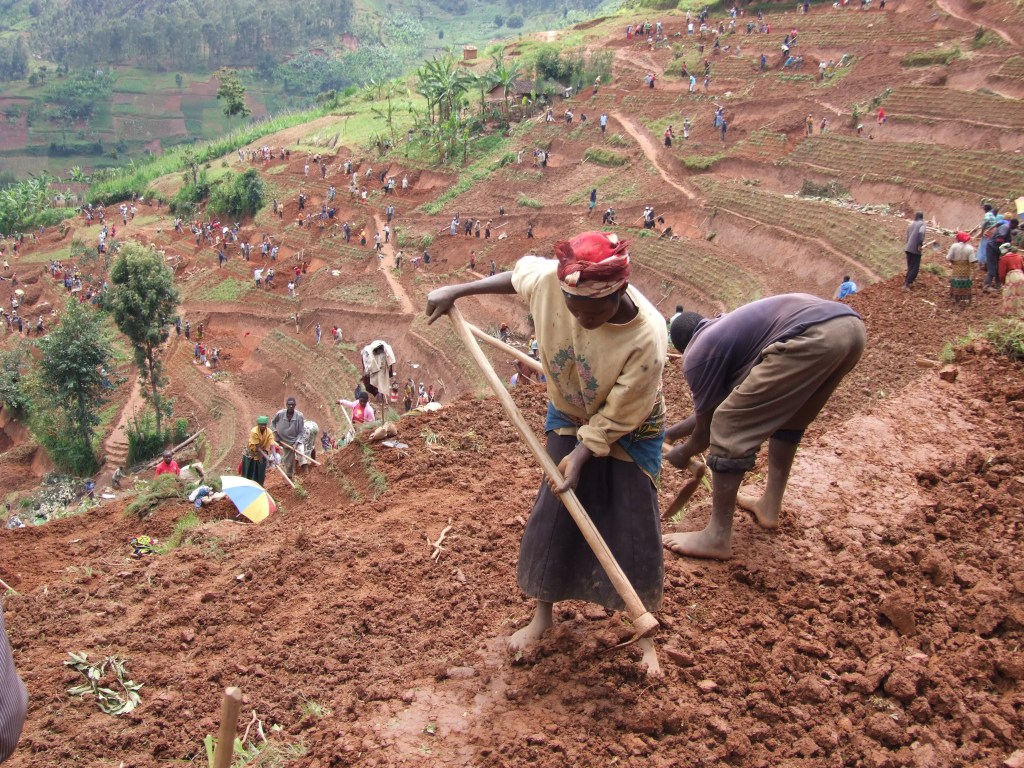
There’s also the uncomfortable question of sportswashing. Human-rights organizations have accused Kagame’s government of repressing political opponents, restricting free speech and supporting armed groups responsible for abuses in neighbouring Congo. Amnesty International has already condemned the new Formula 1 agreement as a sportswashing prize. Perhaps that’s the real attraction. Hosting an international Grand Prix allows political leaders to stand shoulder to shoulder with famous racing drivers, attract wealthy tourists and present their country as modern and prosperous. It’s easier to polish a country’s reputation than address the problems underneath.

Rwanda insists the Grand Prix will create jobs, attract investment and encourage tourism. Maybe it will. But the financial details remain unclear, and a ten-year agreement doesn’t guarantee ten successful races. Demaras Racing desperately wants Formula 1 back in Africa. We just have serious doubts that Rwanda’s ambitious project will ever reach the starting grid. And even if it does, who will benefit? The executives collecting hosting fees? The corporations building the facilities? The politicians enjoying international recognition? Or the ordinary Rwandans who need affordable housing, food, education and healthcare far more than they need a Formula 1 racetrack?
Almost forty years ago, a group of Toronto activists recognized the danger of confusing international prestige with public prosperity. Bread Not Circuses. It’s a lesson worth remembering before Rwanda spends a fortune chasing the world’s most expensive travelling circus.