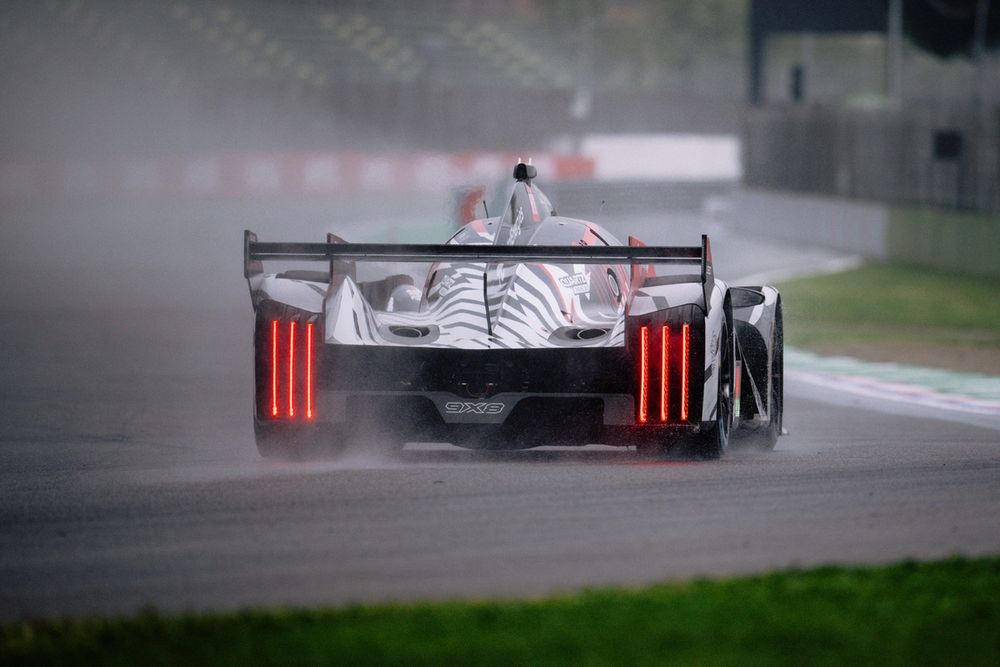
Monday was a dark day in motorsports. It was the death of the motorsports dreams for hundreds at Peugeot, Citroen and Opel as their parent company Stellantis announced their brands would pull out of the FIA World Endurance Championship and the FIA Formula E series.
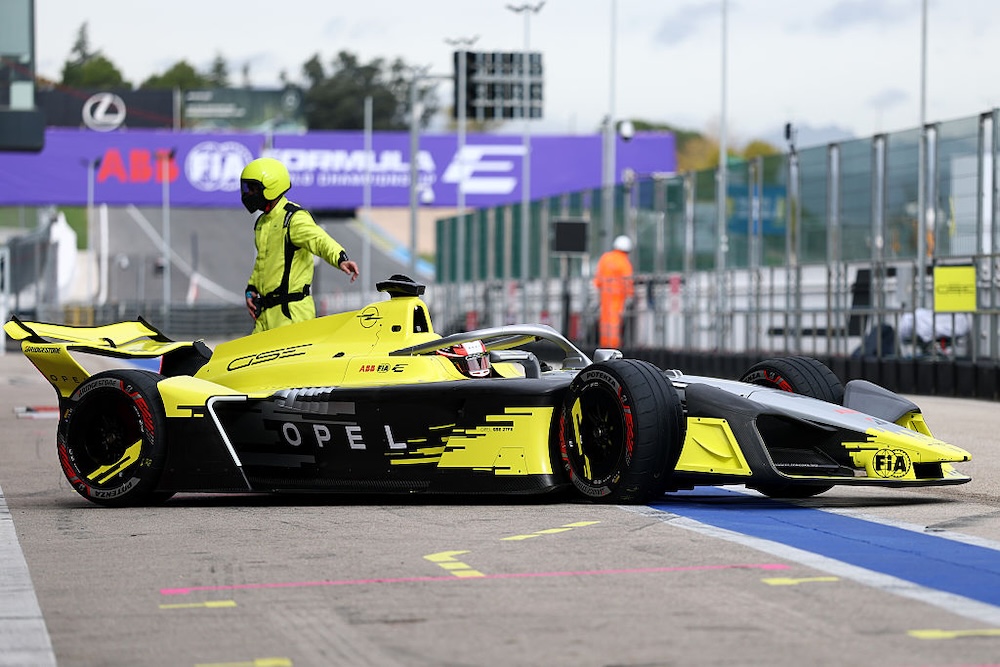
In March 2026, Stellantis-owned Opel announced its entry into FIA Formula E this season as part of a four-year contract. Eight months later, the manufacturer that had just joined Formula E announced it was quitting. All before even competing in a single race. That must be a bizarre drop-out record of some sort. And how much warning did the teams get from head office? Last week, driver Mitch Evans put his brand-new Opel GSE Formula E car third-fastest in preseason testing in Spain. By Monday morning, they learned the team would cease to exist at the end of the season.
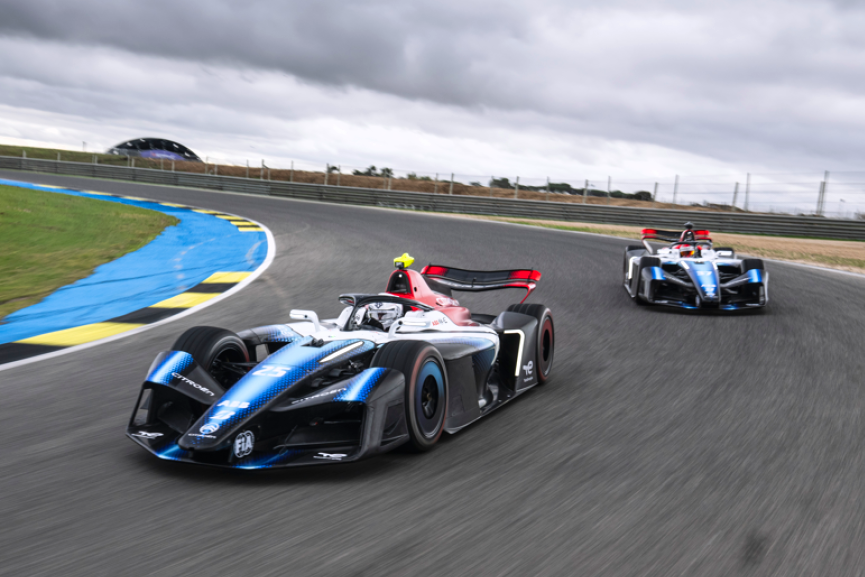
At least Stellantis-owned Citroen got to enjoy a season in Formula E before getting the axe. Announced in September 2025, the Citroen Racing Formula E Team actually won the Mexico City e-Prix in only its second race. The team even finished the season fifth overall in the standings, and was looking forward to their sophomore season with newly developed technology to power the cars. Instead, drivers Jean-Eric Vergne and Nick Cassidy will be on the unemployment line next to Opel’s duo of Mitch Evans and Theo Pourchaire.
Peugeot didn’t even get a farewell tour—Team Peugeot TotalEnergies’ WEC programme was terminated with immediate effect yesterday.
The reason? Monday, November 23rd was the deadline to enter the 2027 World Endurance Championship. Withdrawing before the ‘official entry’ date allowed Peugeot to avoid a major financial penalty. Unfortunately, Stellantis pulled the plug just before the heavily revised Peugeot 9X8 race car was supposed to be on track at Circuit Paul Ricard. The engineers who spent much of 2026 trying to drag that car to the front of the grid will never get to see how their revised car stacks up at Le Mans.
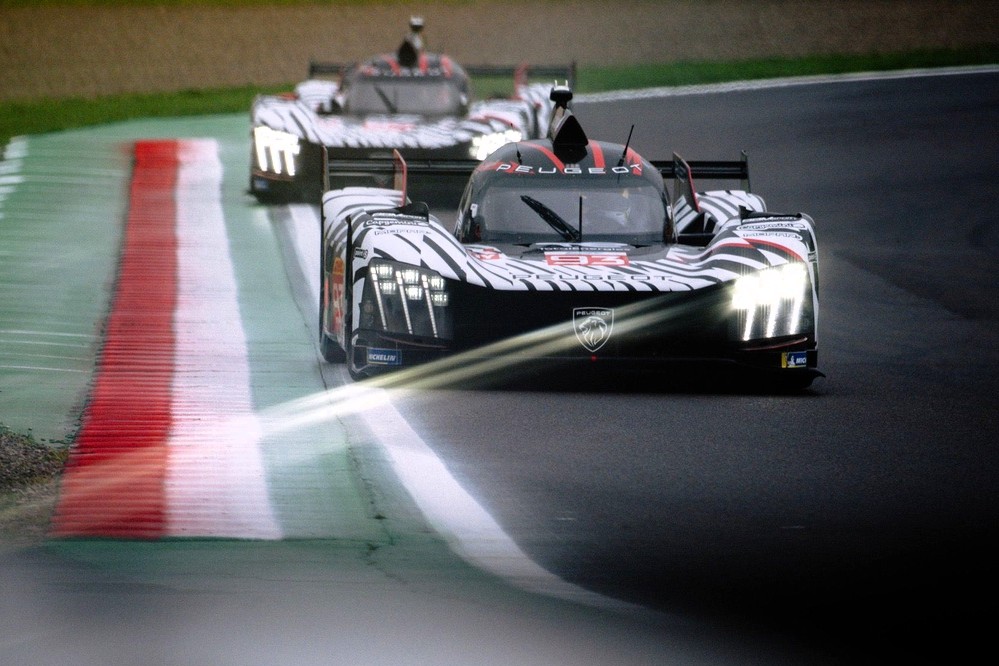
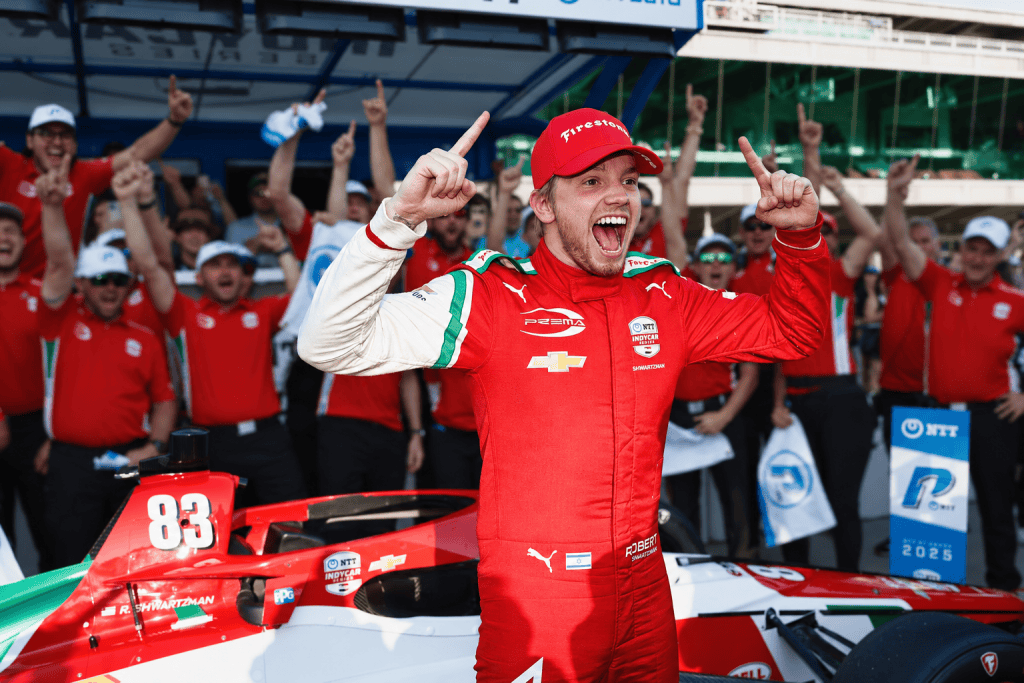
And what about the drivers who signed to drive the ‘works’ prototype Peugeot? They included Indianapolis 500 pole-sitter Robert Shwartzman who was announced in September and is now out of a seat with the season set to begin. In October, test driver Alex Quinn earned a promotion to a race seat. In November, Peugeot confirmed that former WEC champ Loic Duval would be back for 2027.
The season opener is only a few months away. Stellantis screwed over all those drivers who stopped entertaining other suitors the day they signed with Peugeot.
Despicable behaviour.
Stellantis is one of the world’s largest automakers, and collectively its 14 brands (from Alfa to Vauxhall) lost CAD $710 million in the third quarter of 2026 alone. A full season in WEC runs in the tens of millions of dollars, but collectively Opel, Citroen and Peugeot’s motorsports programs represent a fraction of Stellantis’ quarterly loss. Plus, all that development money has already been spent. It seems beyond logic to pull the plug on racing programs about to hit the track due to corporate belt-tightening.
Ironically, three weeks before pulling the plug on Peugeot’s endurance racing program, Stellantis announced its Dodge brand was returning to the NASCAR Cup Series for the first time since 2012. Dodge wants American buyers to know that gas-guzzling performance is at the heart of the brand, and nobody can blame them all for wanting to race at the Daytona 500 in February. But good luck explaining that to Loic Duval when he’s watching Le Mans on TV next June instead of racing in it.