About a year ago, the local Toronto media started using a specific phrase to describe groups of gearheads gathering in parking lots to show off their cars. They coined the phrase “Unsanctioned Car Rally” which is more than just inacurate, it is a pure example of ‘incendiary language’.
Phrases that intentionally provoke hostility, are designed to incite unrest, and create the impression of a threat are defined as incendiary language.


Often characterized by aggressive or even de-humanizing terms, incendiary language increases polarization.
Provocative:
Car meets are impromptu gatherings, often organized on social media. There is no sanctioning body for car meets, so there is no such thing as a ‘sanctioned’ event. Calling them ‘unsanctioned‘ sounds like they’re against the law. However, the Canadian Charter of Rights and Freedoms explicitly protects the freedom of peaceful assembly in Section 2(c) making it a fundamental right. Incendiary language is designed to provoke fear about a supposed illegal assembly.
De-humanizing:
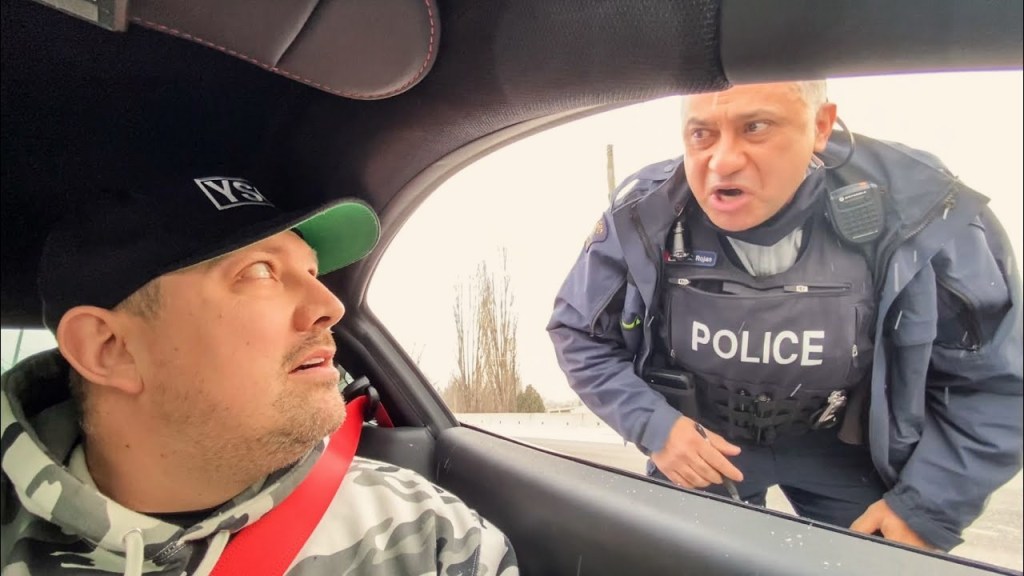
Read through any media article about car meets and you’ll find reporters refer to those in attendance as motor-maniacs, car-crazies or other alliterative tags. If an over-zealous teenager at a meet-up revs their engine while speeding away, everyone at that gathering is labelled a street-racer or even a criminal, based on the actions of a few (or one). It’s easier to justify aggressive police action against hooligans than it is against regular Richie Cunningham type teenagers.
Inflammatory:
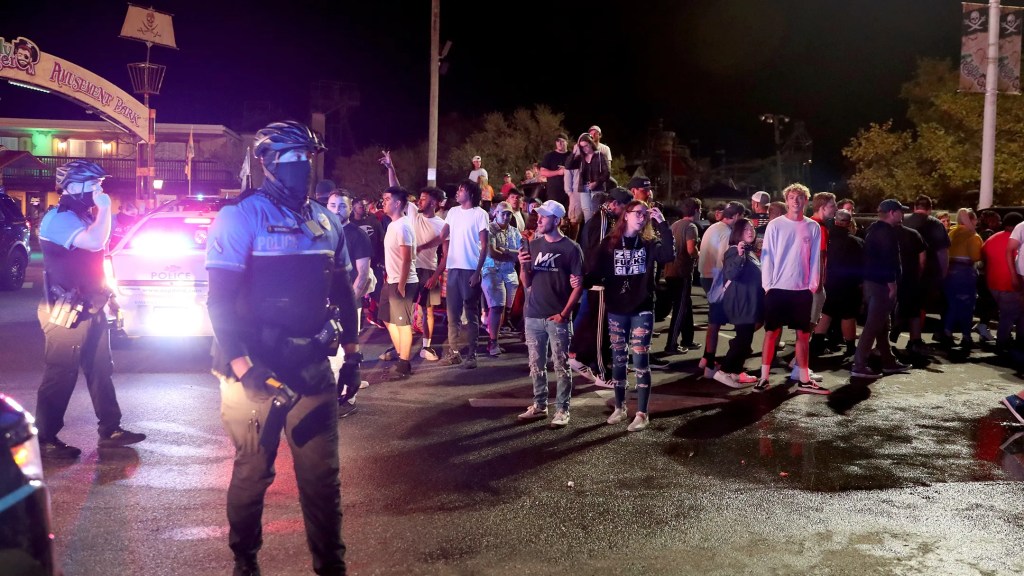
The media’s use of the phrase ‘car rallies‘ is truly puzzling. There is a discipline in motorsports called ‘rally’ which involves driving at speed through a forest or desert, which is extremely dangerous and possibly deadly. Yet car meets don’t involve any driving at all; they’re simply gatherings. Therefore, the op-opting of the word ‘rally’ must point to an alternate meaning. A rally can also be an angry protest or demonstration, such as a neo-Nazi rally. The term rally was chosen to create an exaggerated sense of urgency or alarm.
In journalism ‘If it bleeds, it leads‘ is a cliché meaning the news focuses on violent, graphic or shocking stories. In this instance, the media is provoking the public with sensational stories about an angry mob of ‘stunt driving‘ hooligans. The six o’clock evening news convinces Joe Blow that the public safety is threatened, and it justifies over-zealous police enforcement including infringement on the rights of a small, marginalized group.
But there is no danger. These events are actually called ‘park & chill‘ meets, and each night between 100 and 500 drivers pose their cars in parking lots while hanging out and talking. Yet, without fail, the police arrive at sunset and demand the gearheads leave the ‘nuisance gathering’ or face a $500 fine.
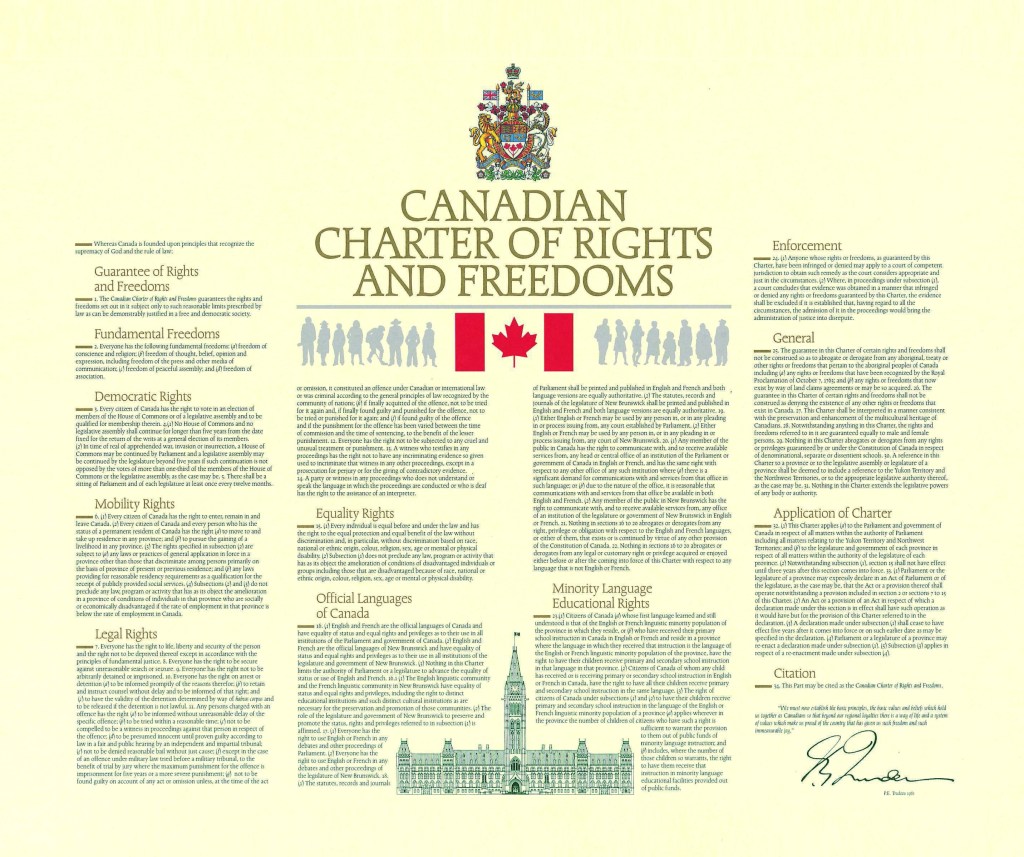
The Canadian Charter of Rights and Freedoms protects the right to peaceful assembly. That sacred document is supposed to protect against authorities shutting down a gathering just by labelling it a ‘nuisance’. If freedoms are not defended, the next peaceful assembly that police shut down may be about an unpopular political ideology, or even a religious belief.
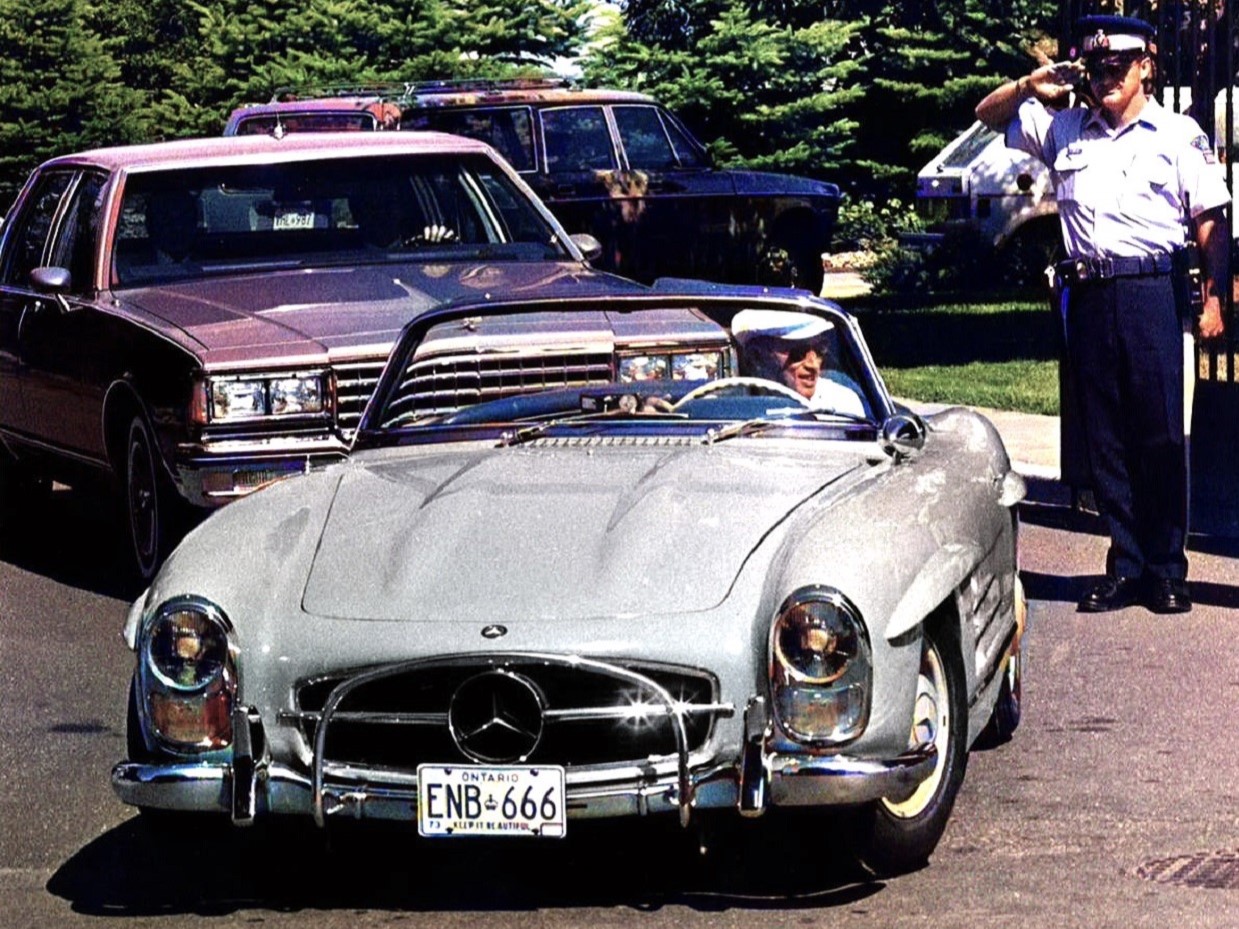
P.S. For anyone wondering who’s that guy in the 1960 Mercedes Bens 300 SL , that is Pierre Elliot Trudeau, Canadian Prime Minister from 1968 to 1979 and 1980 to 1984. He was a serious car guy. Trudeau oversaw the patriation of the Constitution in 1982 and enacted the Canadian Charter of Rights and Freedoms.
Maybe you could invite a journalist or two to attend the next ‘death rally’ and maybe get a more sympathetic story out there?
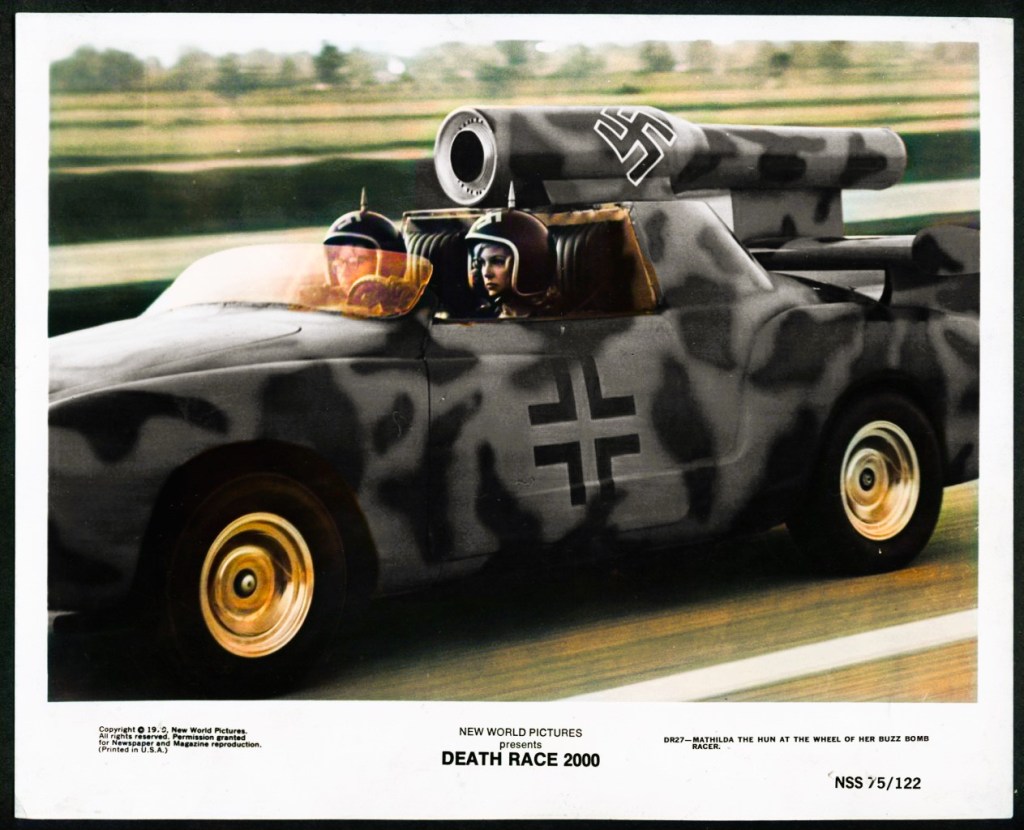
An interesting idea. Just because most of the media are reporting about ‘unsanctioned car rallies’ doesn’t mean there isn’t a gearhead among them willing to show that not all of the events are Death Race 2000.
.
Thanks for the suggestion… I think I will run with it.