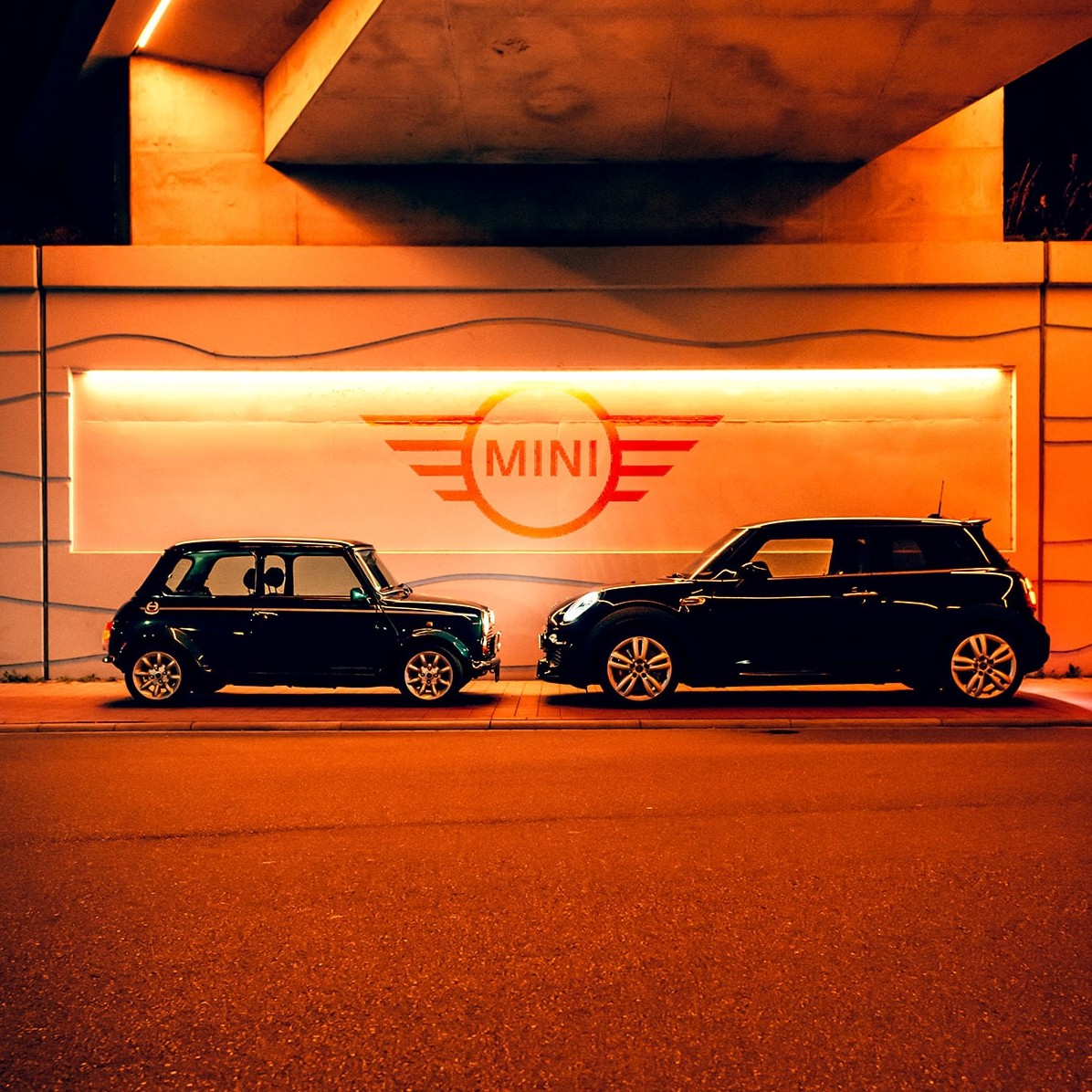
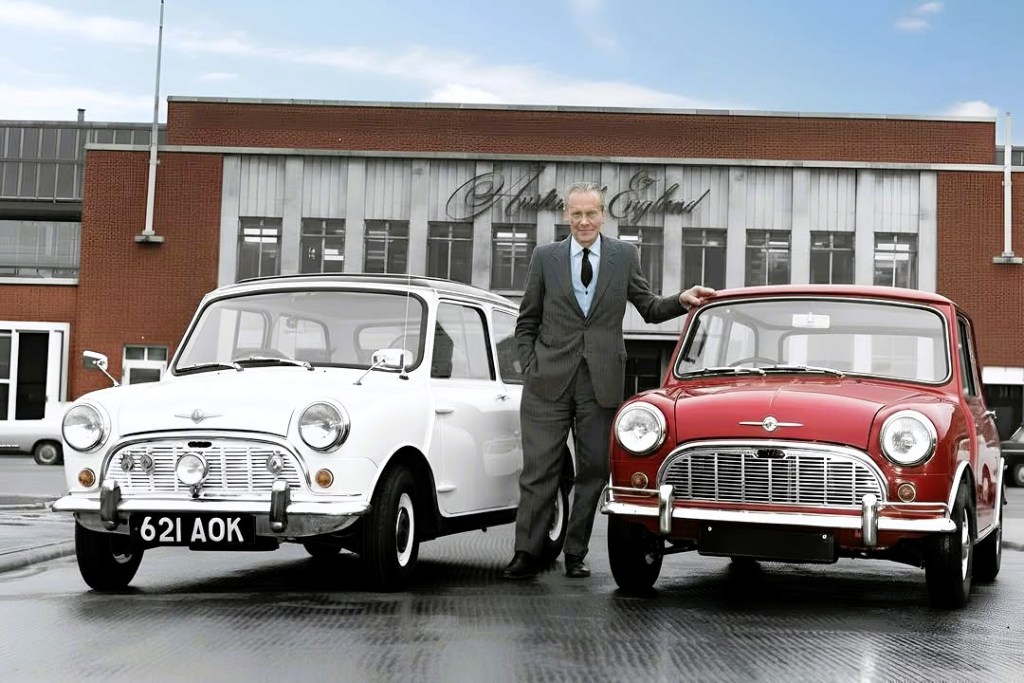
More than half a century ago, Alec Issigonis—the Greek-British mind behind the original Mini Cooper—warned the public about getting too comfortable. He criticized 1950’s trend toward bigger, softer, more ‘insulated’ cars, arguing that they dulled driver awareness. Wrap someone in enough padding and quiet, and they stop noticing things like speed, grip, and the general fact that they’re piloting two tons of steel and glass.
That’s why the original Mini was so direct, raw, and engaging—it kept drivers connected to the car.
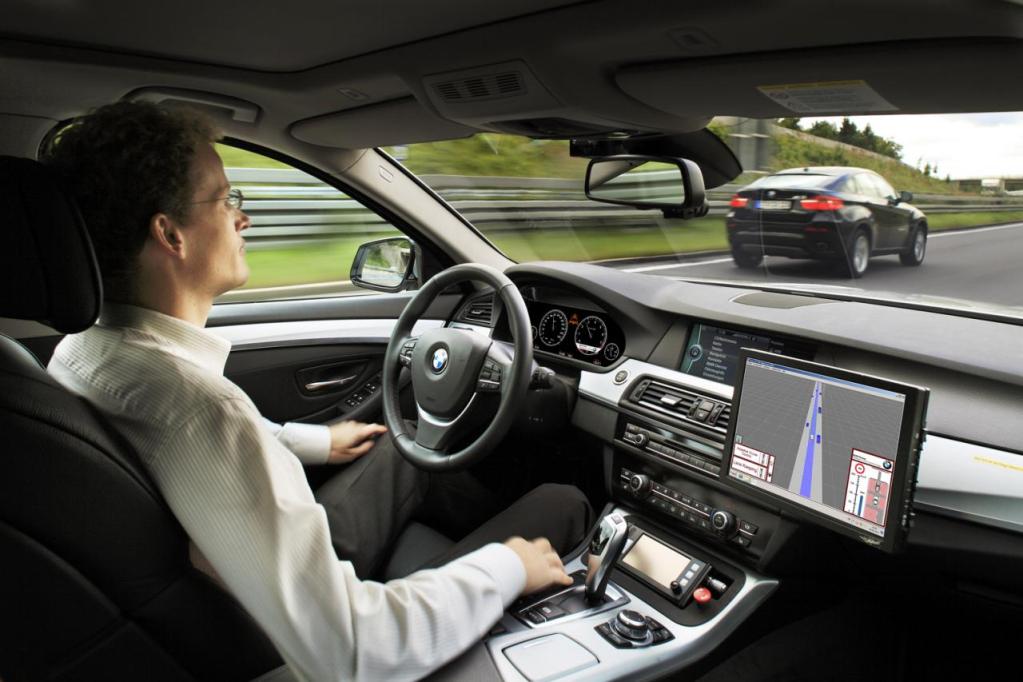
Fast-forward to today’s modern machines with driver aids that warn of cars in the blind spot, keep the car centred in a lane, and even apply the brakes if the driver isn’t paying attention. This type of technology is being marketed as safety features, but the more the car does for the driver, the less the driver pays attention. And an absent-minded driver behind the wheel of three tons of steel and glass is a recipe for disaster. A recent study at MIT showed a correlation between the presence of driver aids and speeding.
Researchers analyzed data from the drivers of the Cadillac CT5 equipped with GM’s SuperCruise, and Tesla with Auto Pilot. These safety features including “hands-free driving” technology resulted in drivers speeding more, more often, and for longer periods. It’s easy to do it when you can just blame the car computer instead of taking responsibility.


Those big, bloated EVs that are supposed to save the planet actually pose a different sort of risk on the road. Car companies have long been trying to reduce NVH in new cars (noise, vibration, harshness) and those electric motors run almost completely silently. The MIT study found that EV drivers tended to accelerate harder and drive faster on residential streets, not just on highways. Electric motors aren’t just quiet; they provide instant power. In a car with an traditional gas engine, the sound of the motor revving up to redline and the transmission shifting to a higher gear are audible cues of how much the vehicle is accelerating.
But those EVs with instant torque and nearly silent acceleration just make it that much easier for drivers to go faster, all without even realizing it. Try flooring a Mini Cooper and see if it doesn’t communicate speed and acceleration to you very clearly.
The MIT study is small and not definitive, but the pattern is hard to ignore. The more we outsource the act of driving to technology, the more we seem to check out. The car gets smarter, more capable, more refined. Meanwhile, the person behind the wheel becomes quieter, softer, and just a little bit worse at the job.
Very true!
I have a friend that has driven for almost 60 years without a ticket. She recently bought a Nissan Ariya and promptly got 2 speeding tickets. She said, “That little sucker is fast!”. She also told me why she bought all electric car. The first she drove one (Tesla 3) was so quiet and quick, that she never wanted another gas powered car.
For a ‘daily driver’ type vehicle, it’s no surprise that the instant acceleration of an electric triggered tickets. But for those that love the grown of a peoper engine, electric just doesn’t have the same appeal.
But if they made them sound like George Jetson’s car, well then…