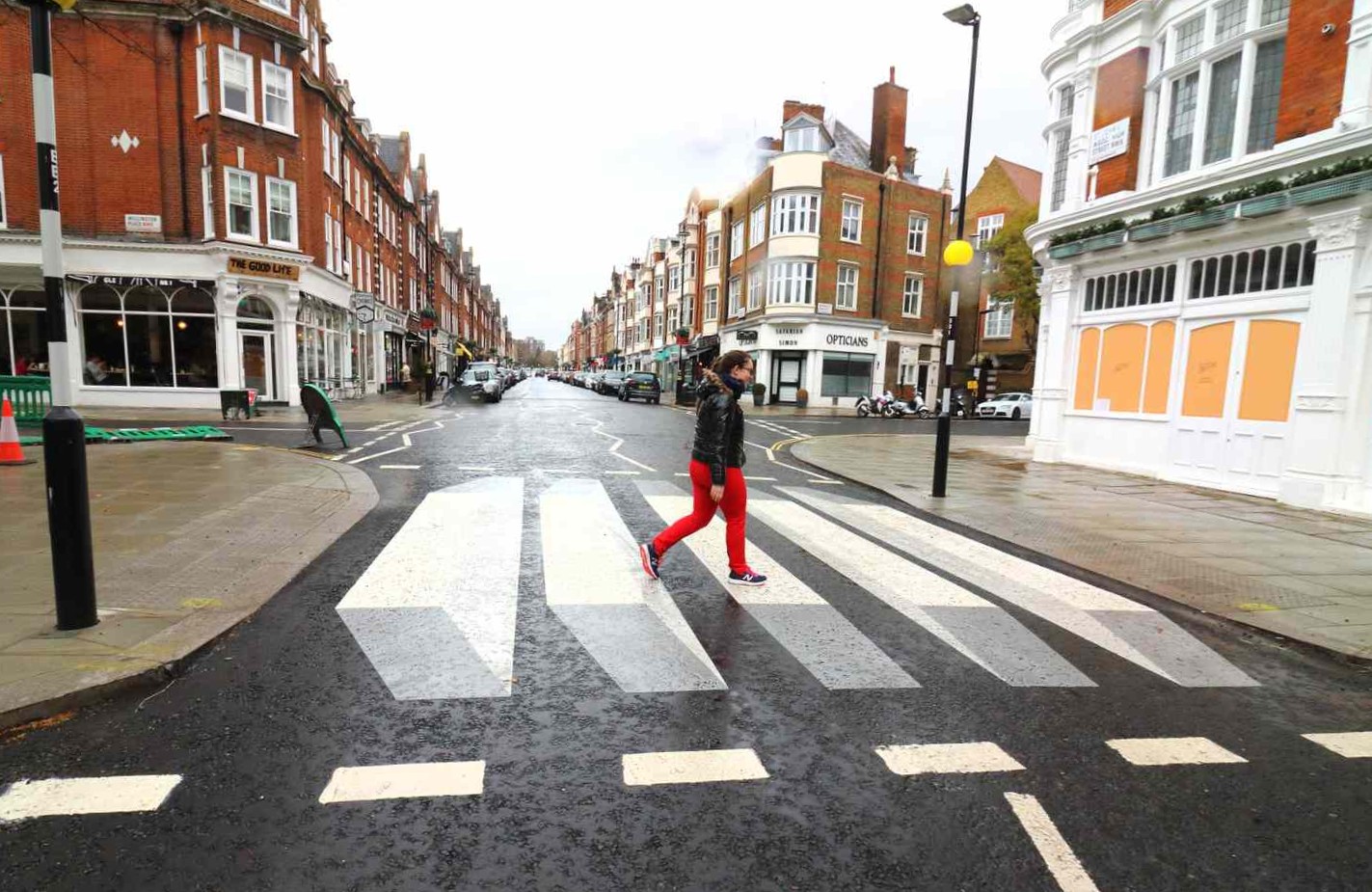
For years, local politicians insisted automated speed cameras were about safety. The millions in revenue they generated weren’t the point. Automated speed cameras saved lives and protected pedestrians. Anyone who disagreed was called a monster, out to run over grandma in her wheelchair.


But a funny thing happened when the provincial government took those cameras away from municipalities. Suddenly, towns and cities in Ontario are adding traffic-calming measures instead.
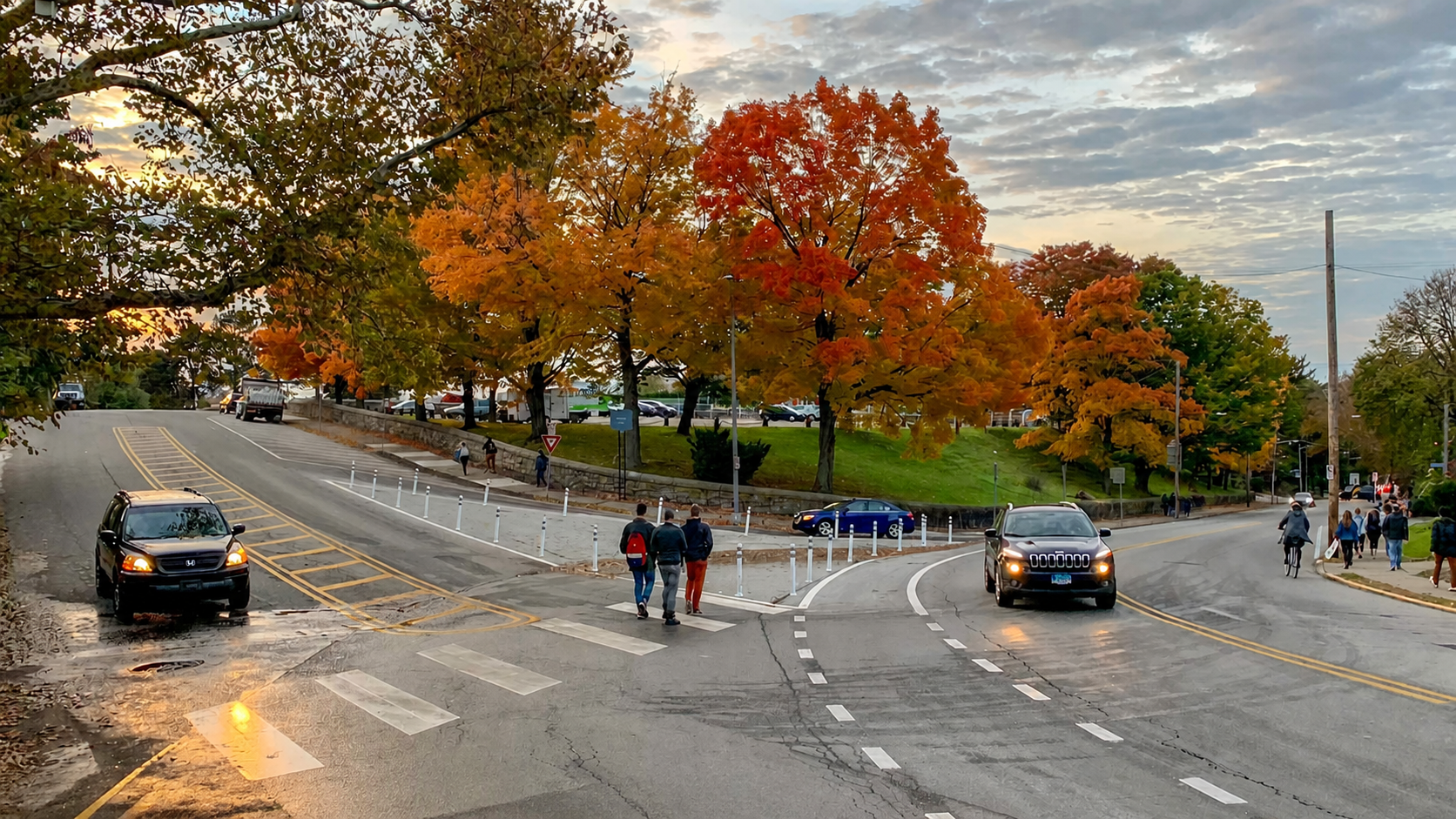
For example, Newmarket is adding flexible bollards and painted medians at 14 safety zones where automated speed enforcement used to pick the pockets of motorists. The town is also installing new road markings, speed-feedback signs and improved pedestrian crossings. In other words, they are changing the design of the road so drivers actually slow down. What an idea!
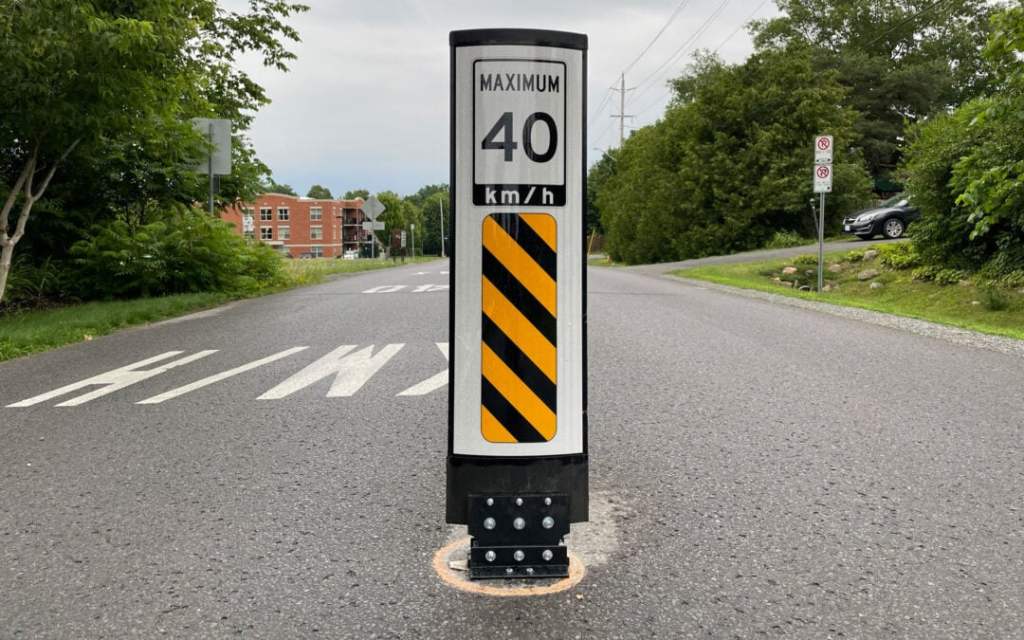
None of this technology is new. Cities have known for decades that narrowing lanes, adding speed bumps, raised crossings, roundabouts and other physical changes can force drivers to reduce speed. Anyone travelling through Europe has seen widespread adoption of these measures, making cities more livable. Unlike automated speed cameras, these traffic measures work before somebody gets hit. They are pre-emptive measures to slow down and alter driver behaviour.
The problem for municipalities is that traffic-calming measures cost money. Speed cameras made money.
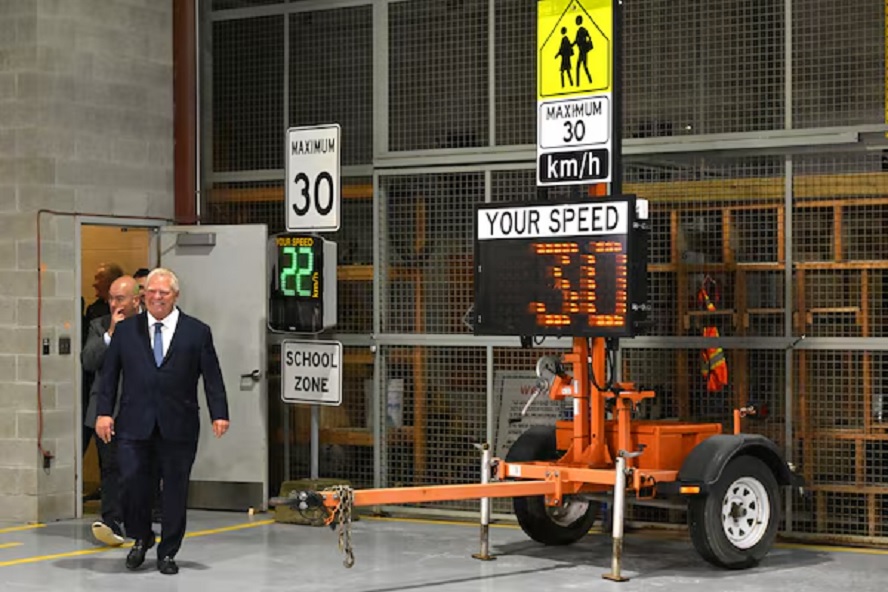


A camera could sit beside the road and issue thousands of tickets without slowing the offending vehicle a single click. The financial penalty arrived weeks later, long after the driver had blasted through the “community safety zone.” Municipalities collected millions while continuing to claim the system was about changing behaviour.
Now, Ontario has shut down automated speed enforcement, and suddenly Newmarket has discovered bollards, narrower roads and speed cushions.
Better yet, the province is helping pay for the upgrades through its Road Safety Initiative Fund. This is what should have been happening from the beginning. That’s what the money from those dastardly speed cameras was supposed to fund: road safety. Instead, the funds got dumped into the city’s overall budget to be spent on… whatever.
Funny how quickly cities found real traffic-calming solutions once the ticket machines stopped printing money.
Sadly my small town could use speed bumps.
I like the chicane. You have to go slower, but it’s fun to slalom around them.
Speed bumps really throw my truck around, even BELOW the speed limit.
OMG my 56 sucks with the smallest hole I better climb under it to find out why or just buy a new chassis 🙂
The Mustang II front suspension crossmember bolts or welds to the existing F100 frame rails, giving you independent front suspension, disc brakes, and rack-and-pinion steering without replacing the entire chassis. Maybe a Crown Vic would work too or just lower it and put it on bags if and when I tidy up the body work.
For years I’ve read about the utility of the Mustang II front end. I never thought about the downside. I bet that where the assembly bolts to the frame rails must take a lot of stress. Make a lot of noise too.
Yes and so many have done this swap. I want a custom one so it is 4 way disc brakes maybe lowered with airbags so I can get in and out as an old lady says the retired trucker 🙂