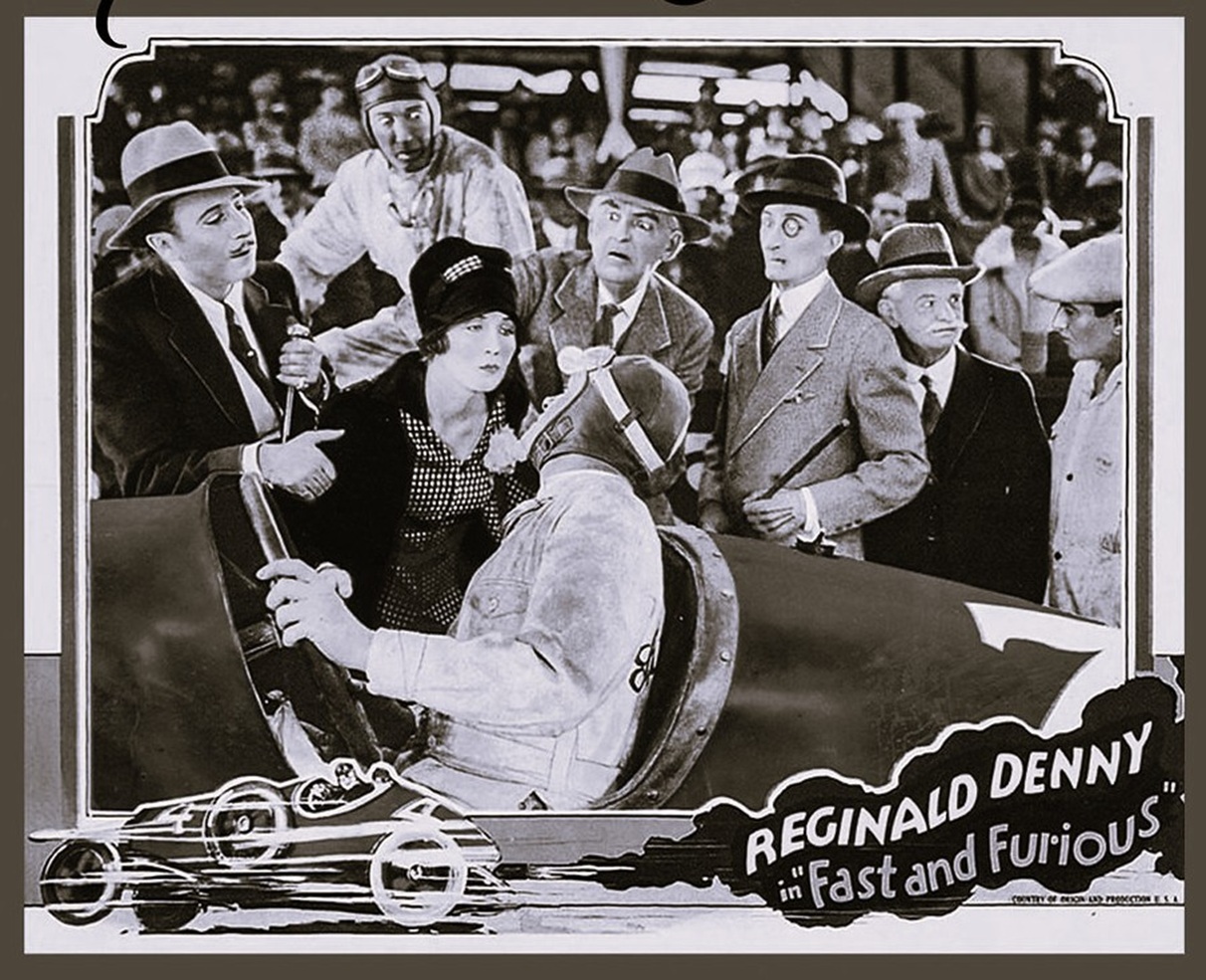
Nearly a century before Dom Toretto and the fast family brought the phrase Fast and Furious into the public vernacular, and decades before Roger Corman’s 1954 picture titled “The Fast and The Furious” there was another movie with the same title; the OG of the F&F universe.
Released in 1927 by Universal Pictures “Fast and Furious” is about fast cars, romance, and a man with a fear of driving who impersonates a race car driver to get the girl.


Reginald Denny plays Tom Brown, a wealthy young bachelor with a reckless need for speed. While passing another motorist on the road, Brown wrecks his car. He’s helped by the motorist he attempted to pass, grumpy J.D. Smithfield, and lovely young Ethel Smithfield whom Tom falls in love with at first sight.
Brown’s physical injuries heal, but now suffers from Amaxophobia; the fear of cars.
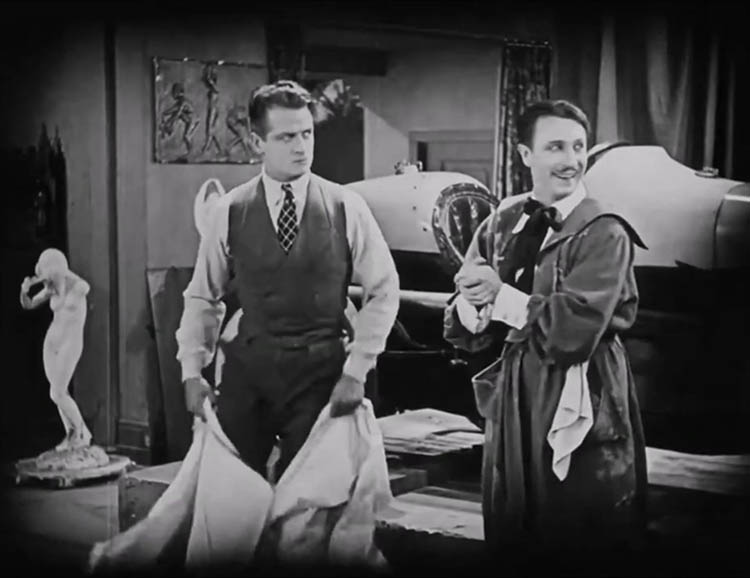
He travels to California to woo Ethel, whom he thought of during his recovery. Upon arrival, locals confuse Brown with a famous race car driver named Billings, and the protagonist allows this mistaken identity to get him into all sorts of comic disasters.
Brown ends up posing for sculpture of the driver to be displayed at Indianapolis, is accosted by a jilted husband who’s wife ran off with the real Billings, and even gets hired to drive J.D. Smithfield’s race car in the big road race.


The laughs in this comedy come from physical comedy gags popular in the 1920s. But protagonist Denny does an excellent job of showing sheer panic on his face, especially when he is forced to drive. It’s not the most famous silent movie of the era, but the final scenes are filmed at actual road races held in Pebble Beach, California.
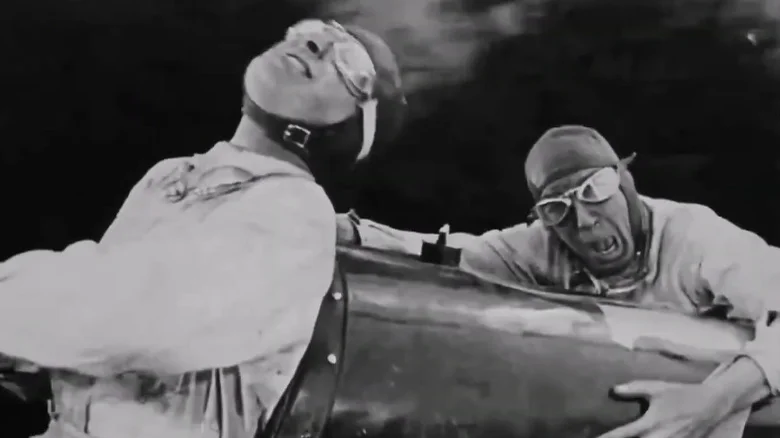
Director Melville Brown creates the illusion of speed by cutting together footage from the front then rear of a car, while also splicing in shots of the rising speedometer and spinning wheels. In the big race scenes, Brown is filmed in close up and inserted into stock footage of race scenes.
Though not actually entered in a race, the No. 7 of Brown travels the same public roads the races were being held on. An ingenious way of using the crowds gathered for the event, and actual race cars, without having to pay for them to be in a movie.


While “Fast and Furious” stall a little off the line, it picks up the pace through, and ends in a sprint to he finish line. This movie is the grandfather of both screwball comedies like “The Great Race” and car crash comedies such as “Grand Theft Auto” that would become popular half a century later.
100 years of speed!