When The Fast and the Furious hit theaters in 2001, it was competing with heavyweights like Zoolander, Shrek, and Harry Potter—all without the backing of major star power. With a $38 million budget, the big question was simple: could a street racing movie even turn a profit?


Fast-forward 25 years, and the franchise has grown into an 11-film juggernaut that has generated more than $7 billion at the box office. But its true influence stretches far beyond ticket sales. The series helped spark a new generation of gearheads and gave rise to everything from NOS Energy Drink to a PUMA basketball shoe collab, the book Welcome to the Family, and even the Fast & Furious: Hollywood Drift roller coaster.
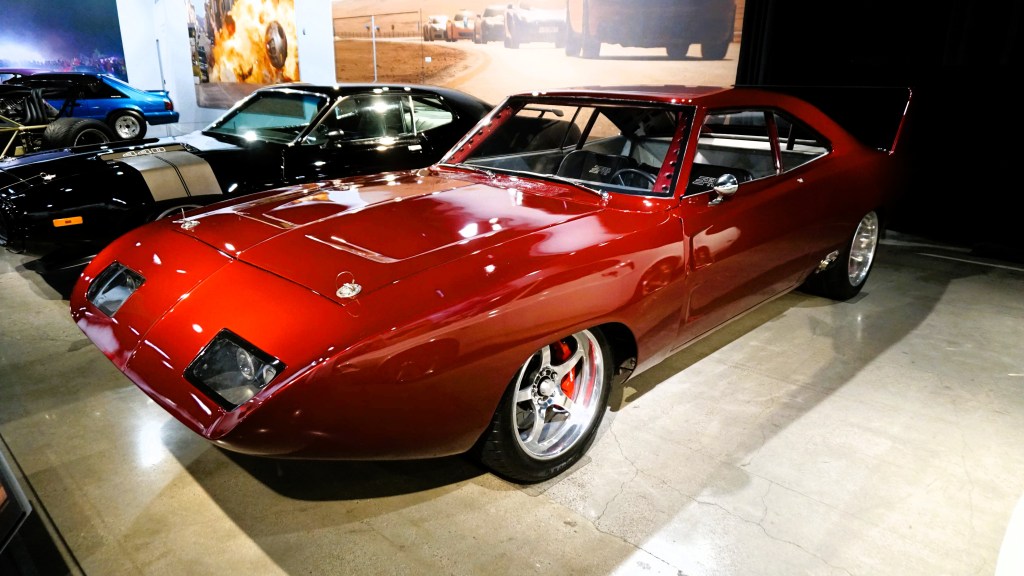
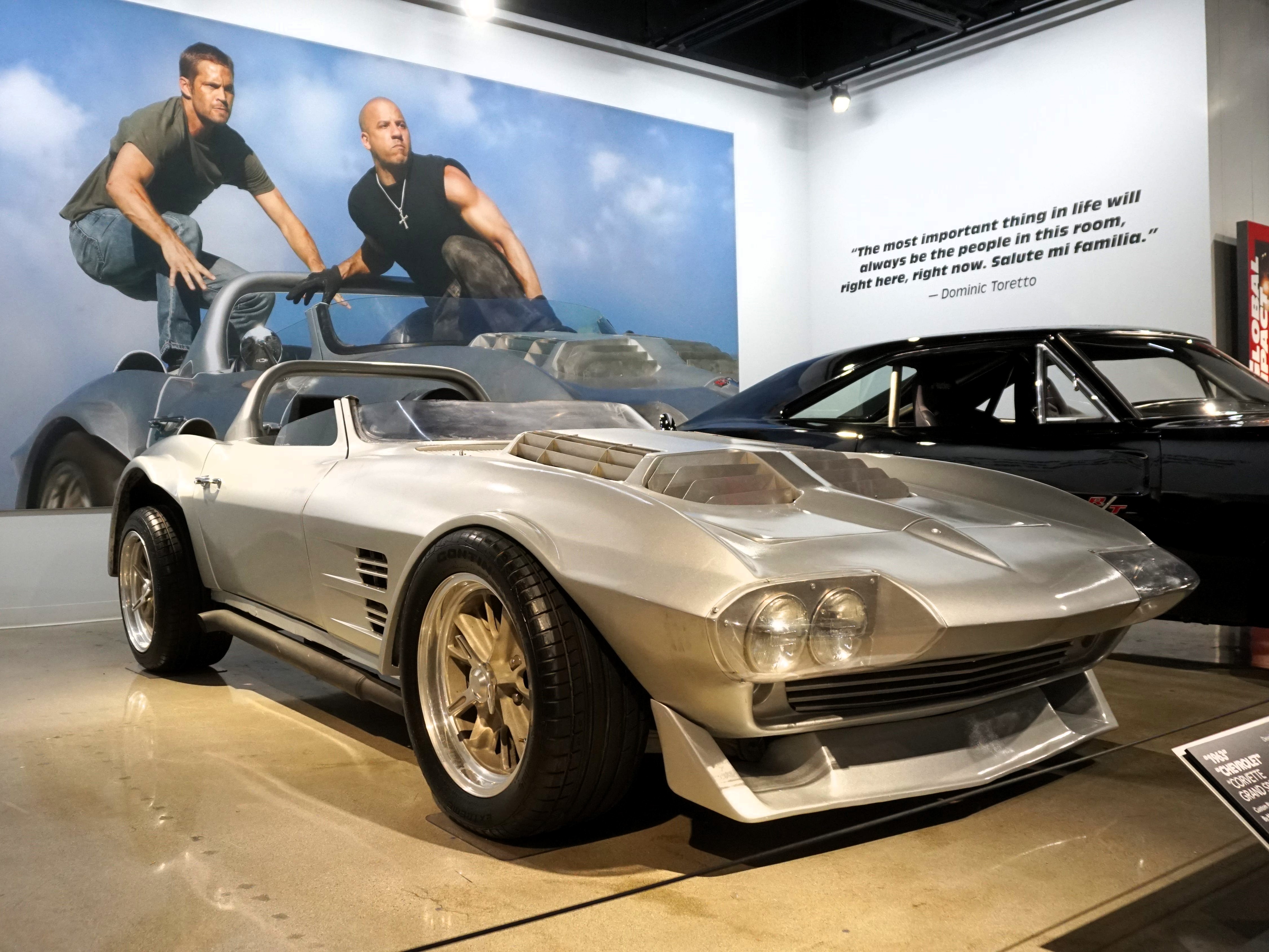
To celebrate that legacy, the Petersen Automotive Museum in Los Angeles unveiled its “Fast & Furious Legacy: 25 Years of Automotive Icons” exhibit on March 14. For the first time ever, 23 vehicles from the films—ranging from hero cars to stunt machines and production prototypes—are displayed together, bringing these cinematic icons into the real world.


While it’s not the first exhibition dedicated to the franchise, the Petersen’s approach goes deeper than most. Highlights from the original film include Brian O’Connor’s 1993 Toyota Supra Turbo ‘Stunt Car #3’ plus Letty Ortiz’s purple 1997 Nissan 240SX and Dominic Toretto’s red 1993 Mazda RX-7—back before he fully embraced American muscle. One particularly fun detail: Suki’s bright pink Honda S2000 from 2 Fast 2 Furious started life as Johnny Tran’s black S2000 in the first movie, later transformed with a bold new look.

What makes the exhibit feel especially fitting is its location. Los Angeles isn’t just the heart of the film industry—it’s also the birthplace of American car culture. The Fast & Furious story began on these very streets, with early race scenes filmed just minutes from the museum itself. In a way, the cars have come full circle—after traveling the globe and even venturing into space, they’ve finally returned home.


Commercially, the series reached its peak with Furious 7 following the loss of Paul Walker, while many fans still consider Fast Five the creative high point. With one final installment on the horizon, the franchise is approaching its finish line. But for an entire generation, those three letters—F&F—have become permanently embedded in the language of car culture.
Great looking exhibit.