
Last week, Demaras Racing hosted a private screening of “Fast & Furious 5” at the cinema. Walking out of the theater, nearly every moviegoer was talking about buying a Dodge Charger. After all, two of those just towed a 9,000 lbs vault across Rio di Janeiro in the movie! There was also Dom’s Toretto’s spirit animal, a 1970 Dodge Charger, prowling the streets of Brazil despite being destroyed at the end of F&F4.
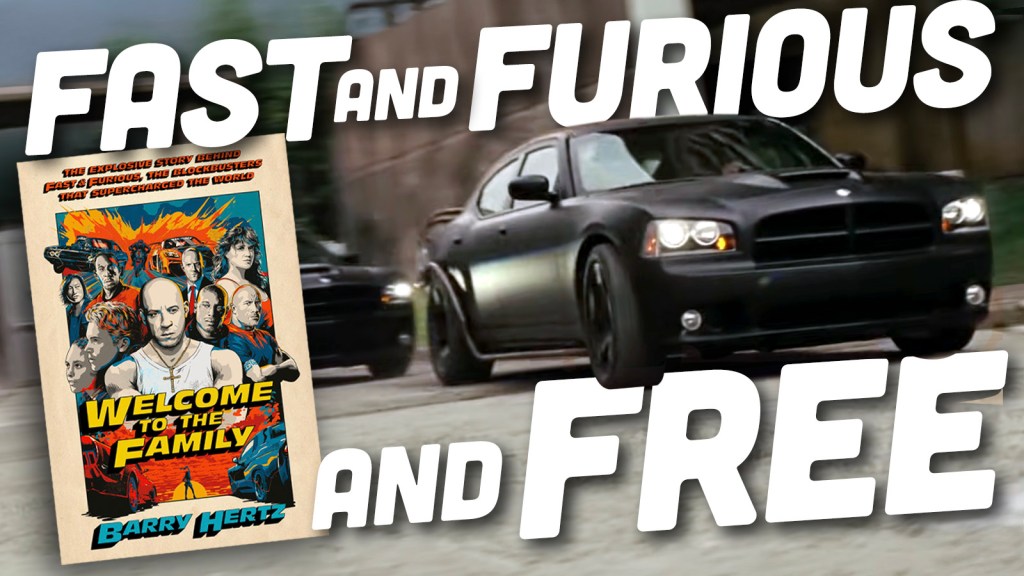
There’s an interesting book by Barry Hertz titled “Welcome to the Family:” which explores how Chrysler’s performance brand Dodge got their cars into “Fast Five“. Olivier François, Chrysler’s new CEO in 2009, paved the way for cross promotion between Detroit and Hollywood. Below is an excerpt from the book.

François swiftly set up a series of meetings with studio heads, including Universal’s Ron Meyer. The two leaders shared a problem: They both had products that needed extensive marketing campaigns, but each of their respective sectors was in an era of severe belt-tightening. Maybe, though, there was a way in which they could help each other out — starting with Fast Five.
François and Meyer came to an unusual arrangement: Instead of paying for the placement of its cars in a film, Dodge would provide vehicles—mostly preproduction cars, which are usually scrapped after testing—to producers free of charge. The automaker would then take footage from the finished film to use in its own car ads. “We leveraged the filmmaking. We didn’t need the car in the whole movie, but we needed at least one iconic moment to go into our commercial,” says François. “And that became our new business model when it comes to product placement, even today.”.
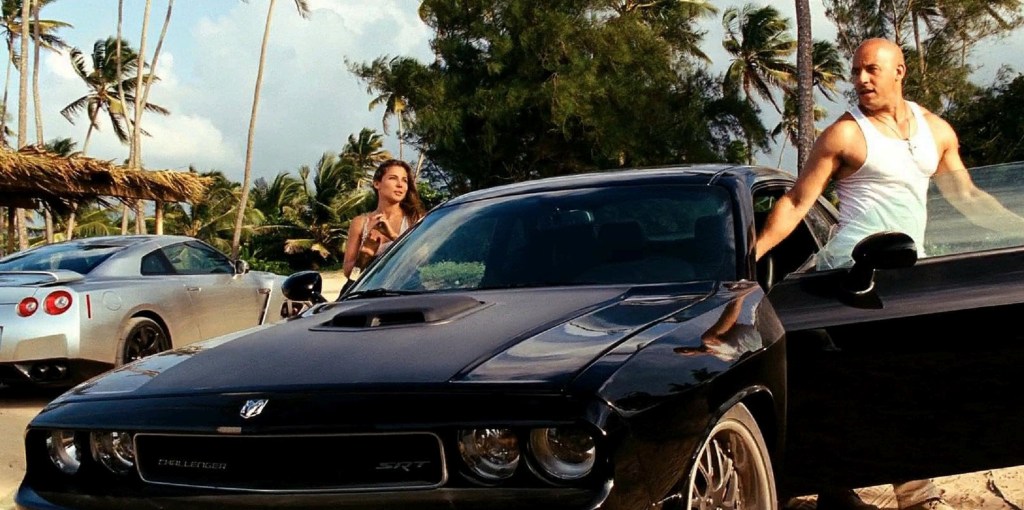
The partnership began with Fast Five, with Dodge supplying dozens of never-before-seen 2011 Chargers to the filmmakers. In turn, Dodge received the desired high-octane footage from the movie to use in its ads—including a spot with the tagline “Car Chases Make Movies Better.” To further goose the cross-brand promotion, Dodge launched a special Fast-themed website offering a sweepstakes to win a Charger and also sponsored the film’s world premiere in Rio. On the red carpet, the most photographed star wasn’t Vin Diesel or Dwayne Johnson but a pair of Chargers.
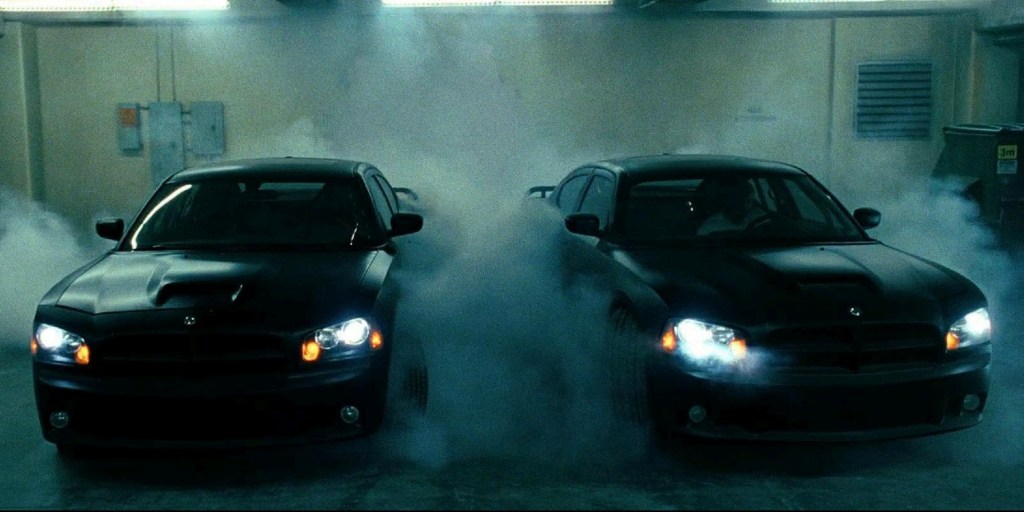
Prior to the Dodge deal, product placement was a tricky subject for Fast’s filmmakers. The character of a car was as important as, if not sometimes more than, that of the driver—and directors such as Justin Lin tried to push back whenever they were instructed by the studio to use this or that vehicle, even if it was ultimately an issue far above their pay grade. “I usually veto pretty much every product placement that they bring up. And it becomes very difficult—you have car companies offering you sweet deals,” Lin said after making Fast 4. “To the studio’s credit, they really respected the process. I’m glad that Dom and Brian aren’t driving like brand-new GM cars or Toyotas. That would’ve been hurtful to the film.”.
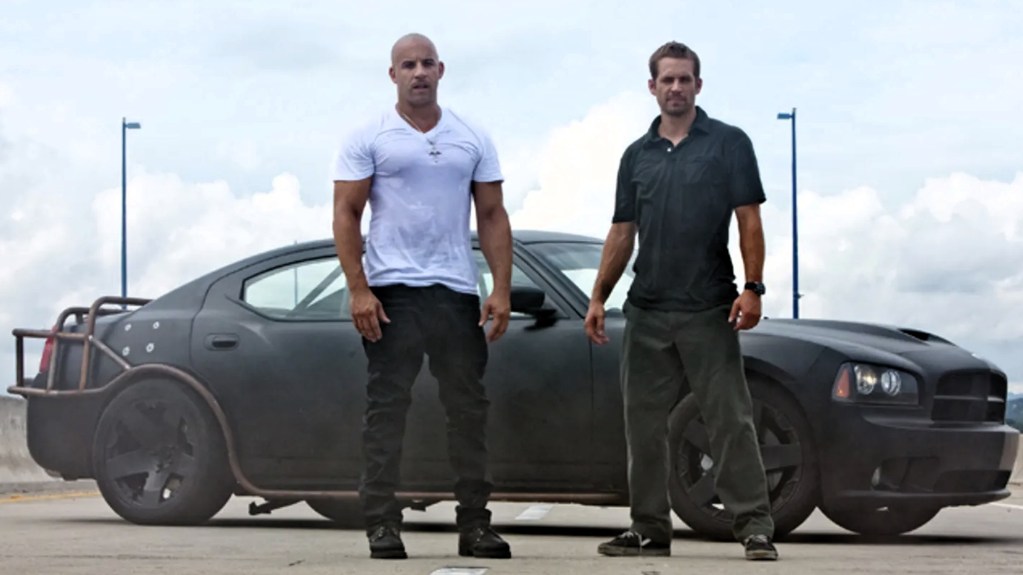
The partnership hasn’t made the Fast films completely Dodge devoted. Furious 7, for instance, gives prominent placement to a 2012 Nissan GT-R, a 2006 Aston Martin DB9, a 2010 BMW M5, and a handful of vintage rides, such as a 1969 Ford Mustang. But at the same time, the films have moved beyond the import tuner culture of the first three installments into something broader. The distinct JDM aesthetic of chrome wheels, decked-out graphics, and blinding color in the 2 Fast and Tokyo Drift films are gone. From Fast Five onward, the cars are less accessorized, more industrial, more stolidly Detroit.
“The last thing that so many young kids want today is to put up a poster of a beautiful car above their bed—the younger generation is no longer dreaming of cars,” laments François, who is now the global chief marketing officer of Stellantis. “Movies like Fast & Furious, which very much engage with younger audiences, are helping keep car culture alive.”


Thanks for sharing that great backstory. Well explained. I can smell the tires burning!
Not to give Dodge and F&F too much credit.. this was the same scheme Ford used in the ’70s.
Remember Starsky & Hutch (Ford Gran Torino) and Charlie’s Angels (Ford Mustang II and Ford Pinto )?
That was all part of the “Ford Studio-TV Car Lease Program” a strategy to place Ford vehicles in popular TV shows.