
The 1980’s in Japan were a notorious era for illegal street racing. A Japanese racing gang (hashiriya) called the Mid Night Club ruled the roads of Tokyo, and their exploits gained international attention. Unlike in North America, where street-cred is established by drag racing on the edge of town, in Japan it’s very different.

Late at night, street racers would meet on the Shuto Expressway in Tokyo to speed around the elevated downtown loop, as if it was a race track. Racers had to zig-zag between commuters and delivery trucks on the public road, in a dangerous game of skill and nerves. These illegal races became so popular that Japanese car magazines covered them as if they were sporting events.
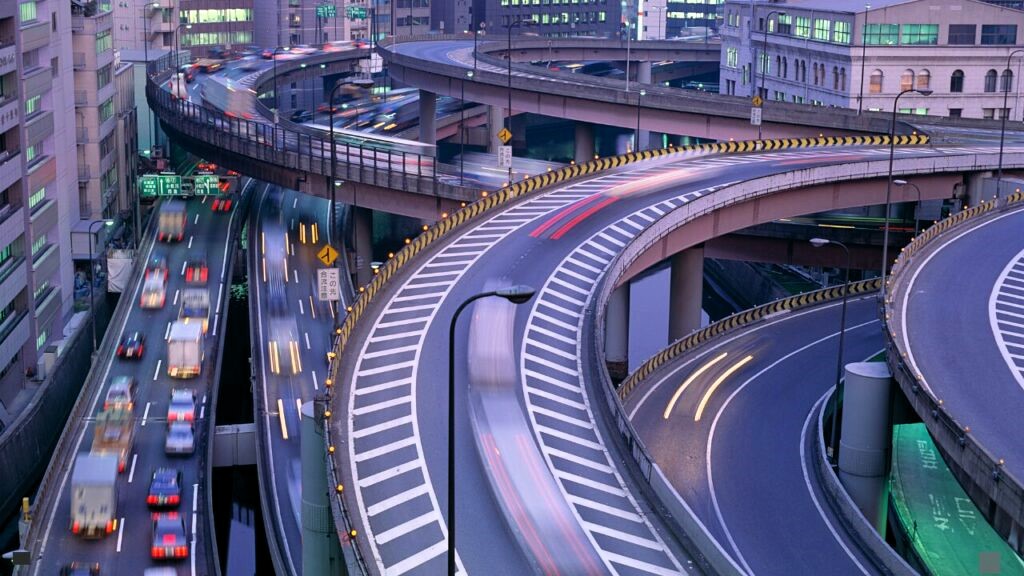
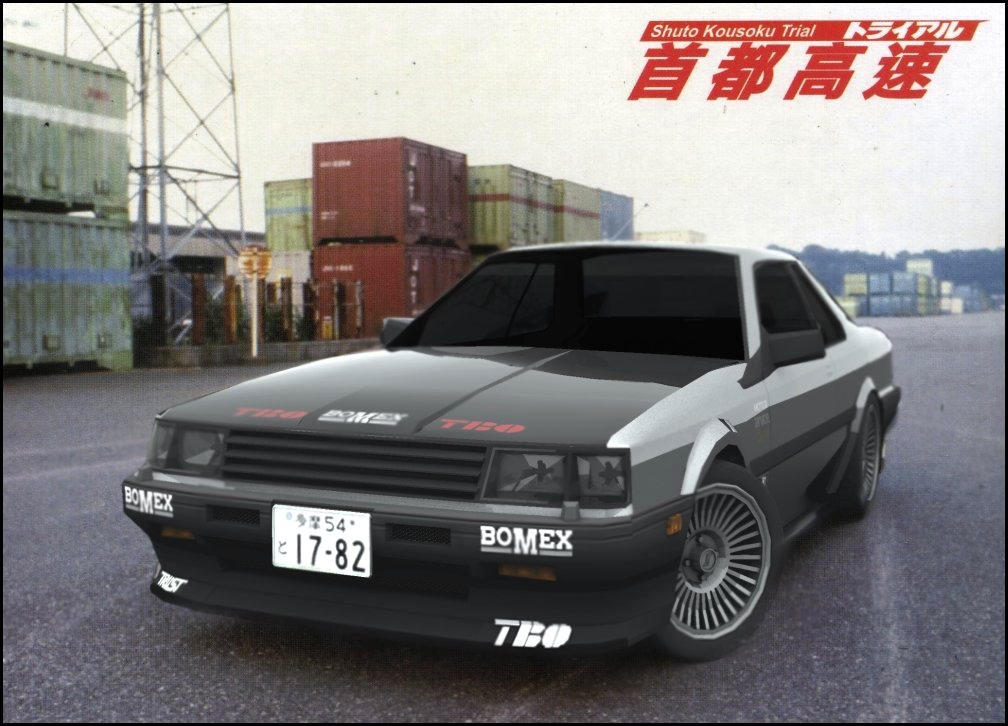
These illegal street races were immortalized in the 1988 film ‘Shuto Konsoku Trial‘ (also called ‘Megalopolis Expressway Trial‘ and ‘Freeway Speedway‘). The film provides a glimpse into the world of Japanese gearheads trying to beat the ‘lap record’ around the 13.9 km loop of the Shuto Expressway. In the mythology of the film, the record time had been set by real-life Formula 1 driver Satoru Nakajima, and in their naivete, the racers believe that beating the record will pave their way to Formula 1 fame and fortune.

The plot centres around the redemption arc of an honorable Tokyo street racer Rokuo, the protagonist in a 1983 Nissan Skyline Turbo RS. Together with his cute girlfriend and trusty mechanic, they try to break the expressway records. But in the final challenge, Rokuo chickens out when he reaches Devil’s Curve, the high-speed right hand corner that’s claimed so many victims. Crestfallen at failing to set the record, Rokuo hangs up his fingerless racing gloves and abandons the world of illegal street racing.
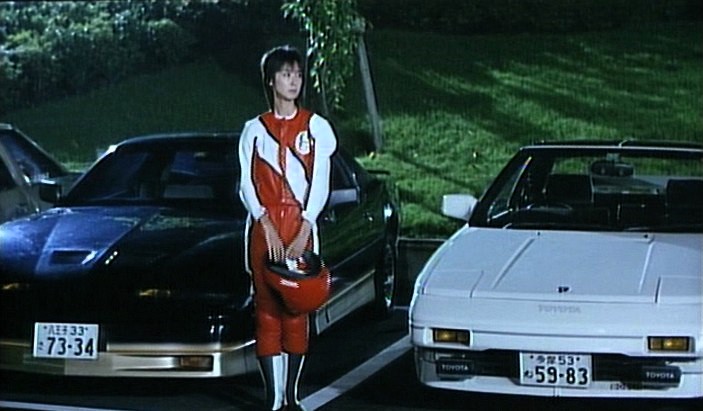
Unwilling to accept that Rokuo has quit the scene, girlfriend Yoshiko attempts to lure him back to the racing world. She’s going to attempt to beat the record herself, in Rokuo’s car! Instead of coming out of self-imposed exile, Rokup stands on the sidelines while Yoshiko is killed during the speed trial.
Yoshiko’s death is never mourned;. It’s merely used as motivation for Rokuo to get back behind the wheel. Reckless street racing is never depicted as negative at all; it’s actually glamorized. Those people driving to work on the Shuto Expressway are merely obstacles for racers on a high-speed run. They’re certainly not seen as innocent bystanders.
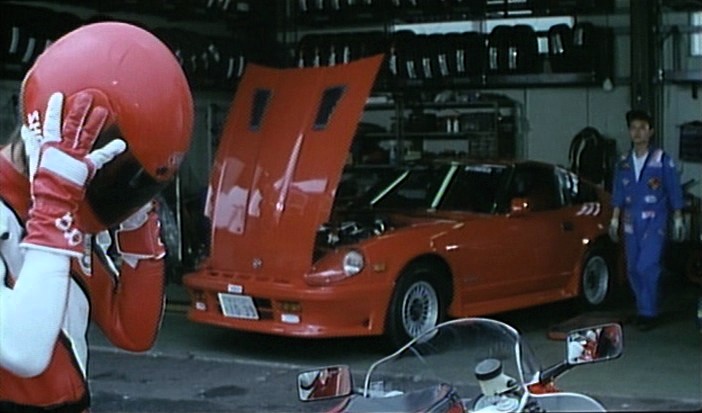
To redeem his street-cred, Rokuo goes on a ‘Rocky II‘ style training montage, complete with the grey tracksuit. He trains, sweats then wrenches on his car. To set the new record, and honour of his dearly departed girlfriend, he’ll have to face the Devil’s Curve again. Most would consider themselves lucky the cheated death. Instead, Rokuo jumps back into the illegal street racing scene head first.
Will Rokuo beat the record, cement his street-cred and honour Yoshiko? Or will the Devil’s Curve claim another victim? Fortunately, the film has been digitally restored and uploaded to YouTube to find out.
Upon completion, the movie ‘Shuto Konsoku Trial‘ didn’t exactly get the acclaim the filmmakers hoped for. In fact, the movie was banned from Japanese movie theatres for encouraging and promoting illegal street racing. Ironically, this helped the forbidden film become an underground hit on VHS casette.
So popular, it spawned five sequels between from 1991 to 1996. But the films’ producers did cave to pressure from authorities, and changed the protagonist to a former street racer who has adopted an anti street racing philosophy. This avoided another ban, but killed the ‘outlaw’ appeal of the series.
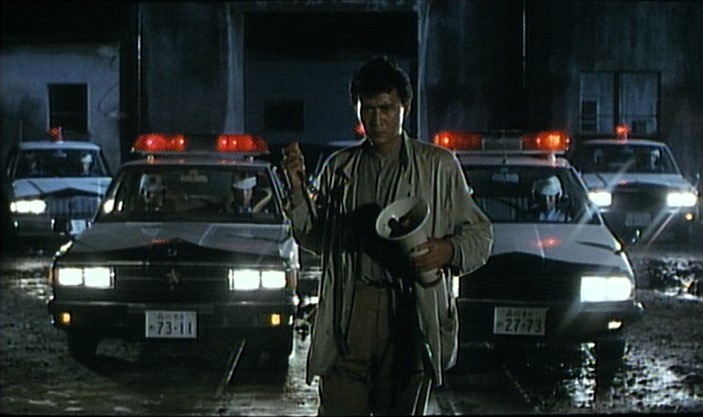
The movie ‘Shuto Konsoku Trial‘ seems both distinctly foreign yet strangely familiar. All the characters drive classic JDM vehicles like the Nissan Fairlady Z, the R31 Nissan Skyline, the Toyota Crown ‘Royal Saloon‘ which were never sold in North America, yet are instantly recognizable by brand.
The soundtrack is filled with CityPop, a musical style of the 80’s which was a Japanese version of new-wave plus synthesizers. Perpetually happy, it’s reminiscent of a Sony Walkman commercial. The upbeat music adds to the sense of speed during the speed trials , but the director interestingly fades the music out early, and allows the engines to sing before cutting the scene. Very creative.

The original film was highly influential in Japan, inspiring series like ‘Initial D‘ and ‘Wangan Midnight‘ all about street racing in Tokyo. The 2001 PlayStation video game ‘Midnight Club‘ was so clearly inspired by the film as well, putting players into street races on Tokyo’s expressways. Perhaps what’s most interesting about ‘Shuto Konsoku Trial‘ is that it’s so clearly the source material for the ‘Fast & Furious’ films which are essentially big-budget Hollywood version of the Japanese original.
It is so nice to read your movie reviews about events long ago and far away. Calgon, take me away! (do you get that reference, Mr Canada? Who knows if you had the same commercials we did in the last century)
Not only do I remember the Calgon lady, but I even took two Alka-Seltzer this morning nd sang the jingle.
.
Glad you like the review. It’s a weird movie. All happy and cheery as the kids risk lives illegally racing. A girl dies, and she just gets forgotten. But the music was really cool.
.
Japanese movies are W-I-E-R-D !!!
As the Akla-seltzer jingle flies into my head as soon as I read this.